
BLOG POST
Do You Need a Screen and Recoat or a Full Refinish?
If your hardwood floors look tired, the fix might be simpler and cheaper than you expect. Or it might not. The choice between a screen and recoat and a full refinish comes down to one question: is the wear in the finish, or has it reached the wood?
At Classic Flooring Solutions, our family has been in the hardwood trade for three generations, and we’ve been refinishing floors across St. Louis since 2004. On every estimate, we walk the floor and recommend one of these two options. Here’s how we decide, and how you can get a good idea before we ever show up.
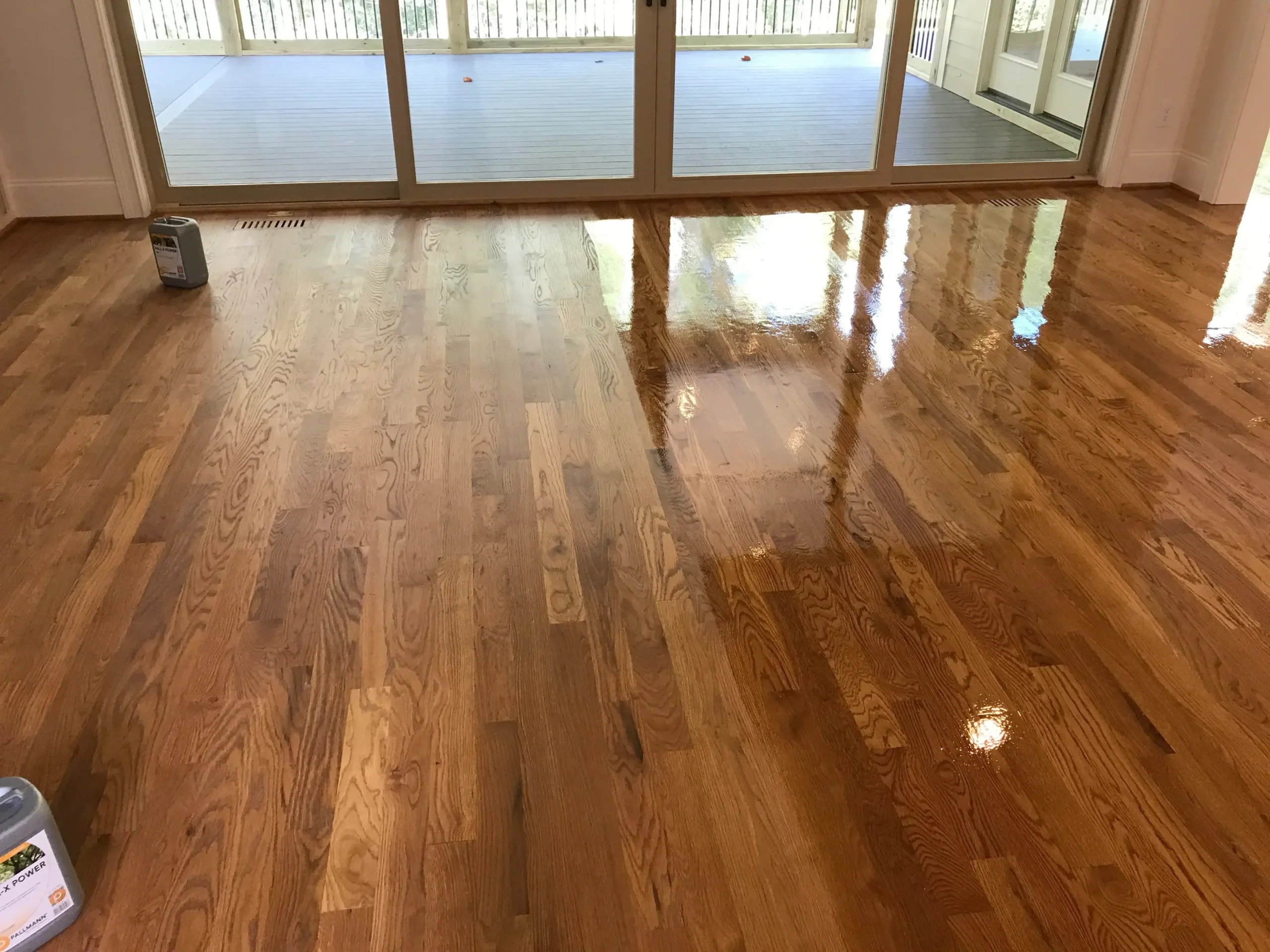
What is the difference between a screen and recoat and a full refinish?
A screen and recoat works only on the finish. We lightly abrade the existing topcoat with a buffer and a fine screen, clean away the dust, and apply a fresh coat of finish. The wood underneath is never touched. Think of it as renewing the floor’s protective layer before it wears through.
A full refinish works on the wood itself. We sand the floor down to bare wood with a drum sander, which removes the old finish along with a thin layer of the boards. We fill gaps where needed, stain if you want a new color, and apply new coats of finish from scratch.
The simple version: a recoat renews the protection, and a refinish renews the floor.
When is a screen and recoat enough?
A screen and recoat makes sense when the finish is worn but still doing its job. Signs your floor is a good candidate:
- The floor looks dull, hazy, or lost its sheen, but the surface still feels smooth
Scuffs and light scratches are in the finish, not cut into the wood - There is no gray, dark, or bare wood showing in traffic areas
- You are happy with the current color
- The floor has been well maintained and you want to keep it that way
If that describes your floor, a recoat is faster, less invasive, and costs far less than full sanding. For many St. Louis homes, it’s the right call, and we’ll tell you so.
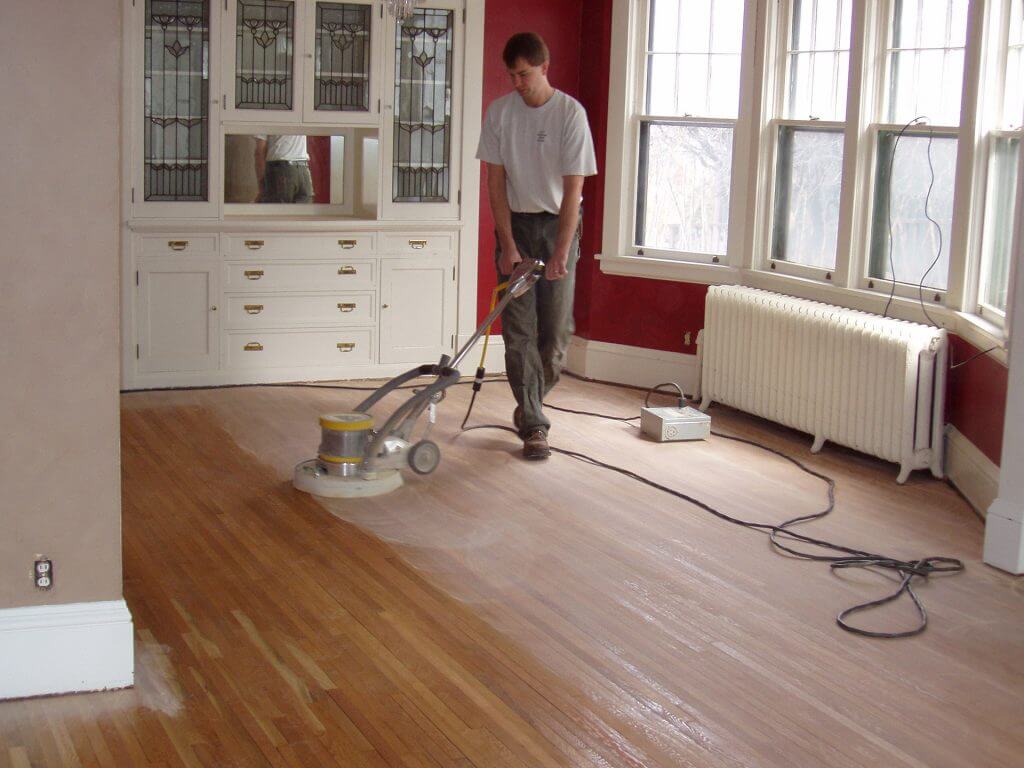
When do you need a full refinish instead?
Once the damage reaches the wood, a fresh topcoat can’t hide it. You need a full sand and refinish when you see:
- Traffic lanes, entries, or hallways worn through to bare wood
- Gray or dark discoloration, which usually means exposed wood has taken on moisture or dirt
- Deep scratches, pet damage, or water marks in the wood itself
- A stain color you want to change
- Boards that need to be replaced, since new boards have to be sanded with the floor to blend in
Why can’t a recoat fix worn-through traffic lanes?
We see this all the time in St. Louis homes. Most of the floor looks fine, but the path between the kitchen and the living room has worn down to bare wood. Homeowners naturally hope a recoat will cover it.
It won’t. Bare wood absorbs finish differently from wood that is still sealed, and it has picked up years of dirt and wear. Put a new coat over it, and the lane stays visible right through the new finish. A full sand evens out the whole floor so every board starts from the same point.
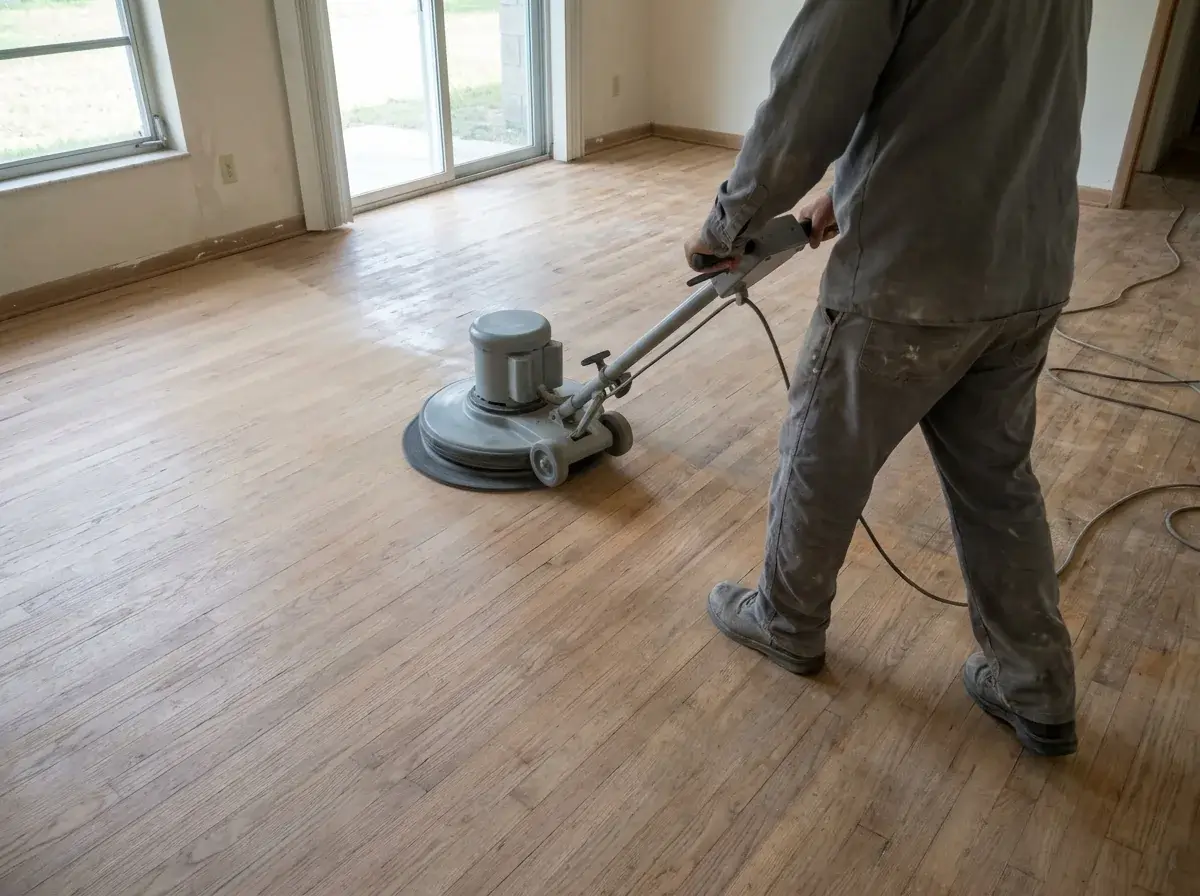
What can stop a screen and recoat from working?
A recoat depends on the new finish bonding to the old one. Some things get in the way:
- Wax or acrylic “restorer” and polish products applied over the years
- Residue from oil soaps and some cleaning products
- Certain factory finishes on prefinished flooring that resist bonding
When the new coat can’t grip, it can peel or flake, sometimes within months. That’s why a good refinisher checks the floor’s history and tests adhesion before promising a recoat. If you’ve used a shine product on your floors, tell your contractor up front.
Let's talk about your floor
Contact our team and we’ll walk your space, assess your subfloor, and give you a detailed estimate with options, no obligation.
How much does a screen and recoat cost compared to a full fefinish in St. Louis?
A full sand and refinish in the St. Louis area typically runs $3 to $8 per square foot, or roughly $3,000 to $8,000 for 1,000 square feet. The price depends on the condition, stain, finish choice, and any board repairs. It’s important to know that these are estimates and not actual quotes, so if you’re looking an exact number, you can request it here.
A screen and recoat costs a fraction of that. Nationally it often lands around $1 to $2 per square foot, because there is no heavy sanding, no stain, and usually only one coat.
Downtime is different too. A recoat is usually finished in a day. A full refinish takes two to three days. With water-based finish, you can walk on the floor lightly after 24 hours and move furniture back in 48 to 72 hours. Oil-modified finishes need about 48 hours before foot traffic and up to seven days to fully cure.
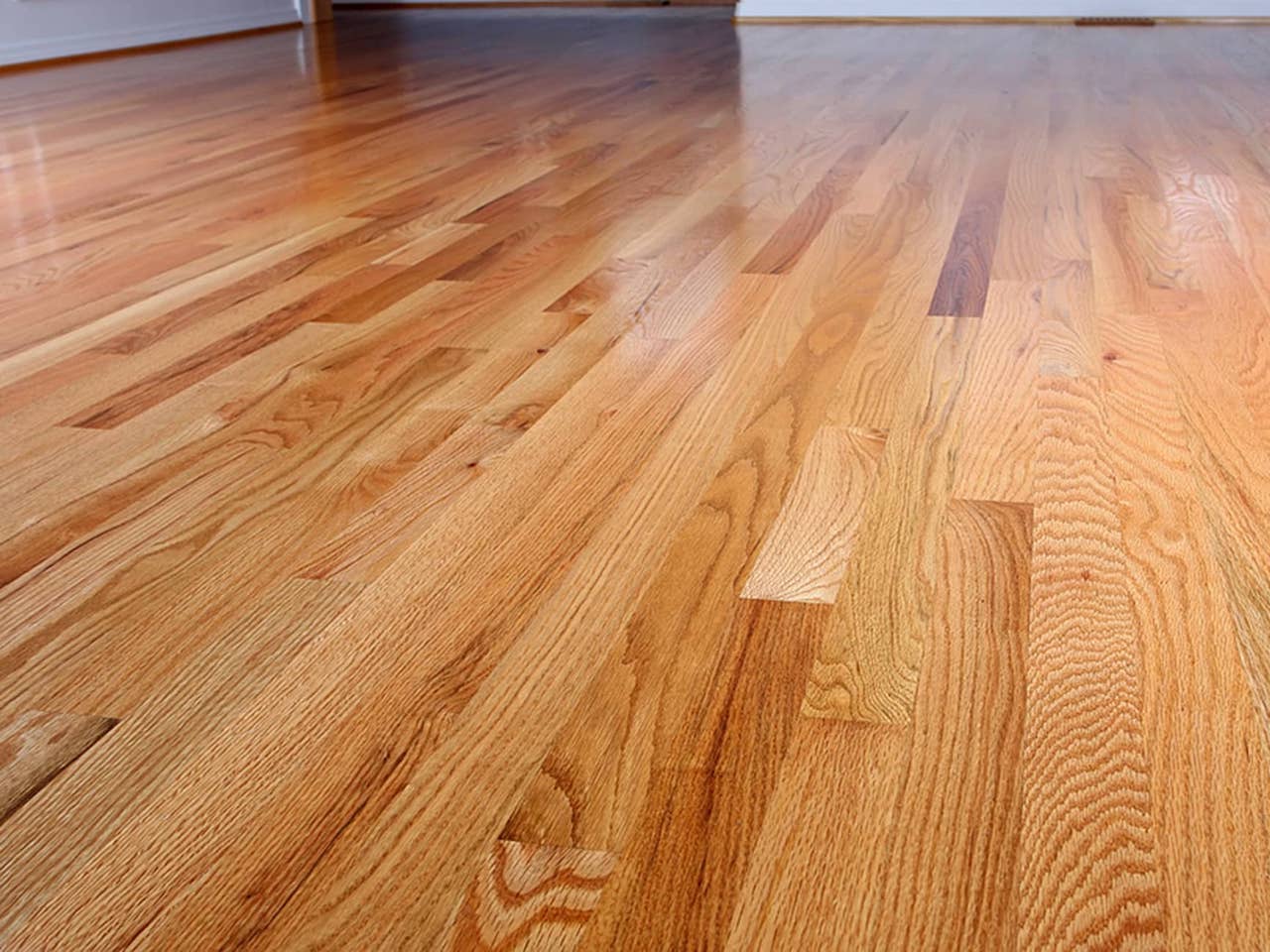
How often Should You Screen and Recoat Hardwood Floors?
Every full sanding removes wood that never comes back. Solid 3/4″ hardwood can be fully refinished several times over its life. Engineered hardwood, with its thinner wear layer, can usually take only one to three sandings. A recoat removes no wood at all.
That’s why our honest advice is this: the cheapest refinish is the one you never need. In busy homes with kids or pets, a screen and recoat every few years keeps traffic areas from wearing through. Done on time, it can push back a full sanding by a decade or more.
This matters even more in older St. Louis neighborhoods like Webster Groves, Kirkwood, Ladue, and the Hill. Much of the original 1890–1940 strip oak there has already been sanded once or twice. That wood is worth protecting, and regular recoats are the gentlest way to do it.
The National Wood Flooring Association, headquartered right here in the St. Louis area, recommends recoating once a floor loses its luster
Does Missouri weather affect the timing?
Finish dries and cures best in stable conditions. Missouri’s humid summers can slow drying, and heated winter air can dry wood out. Whatever the season, we recommend keeping your home between 60°F and 80°F with steady humidity before, during, and after the work. Time it around holidays and guests, not the calendar.

How do we decide which one your floor needs?
During a free estimate, we walk every room and look closely at the traffic areas, check for bare or discolored wood, and ask what products have been used on the floor. If a full refinish might be needed, we pull a register or threshold to measure how much wood is left. We want at least 1/4″ above the tongue before sanding again.
Then we quote options with the trade-offs spelled out. If a recoat will do the job, we’ll tell you, even though it’s the smaller ticket. We preserve what’s worth preserving.
We work throughout St. Louis, including Clayton, Kirkwood, Webster Groves, Ladue, Frontenac, Lafayette Square, Central West End, the Hill, St. Charles, and the Metro East.
FAQS: Screen and recoat or Full Refinish
Can you screen and recoat engineered hardwood?
Often, yes, and it’s a smart choice because it removes none of the thin wear layer. Some factory finishes need special prep or an adhesion test first.
How long does a screen and recoat take?
Most homes are done in a single day. You can usually walk on the floor lightly once the finish has dried, typically within 24 hours for water-based products.
Can a screen and recoat change the color of my floors?
No. Changing the stain color requires sanding down to bare wood, which means a full refinish.
Will a screen and recoat remove deep scratches?
No. A recoat only refreshes the finish. Scratches that reach the wood need a full sand.
Can I stay home during the work?
Yes. A recoat involves no heavy sanding. For full refinishes, our dustless sanding systems capture most of the dust at the source, so occupied homes are manageable.
Ready to Talk About Your Floor?