BLOG POST
Why Light Wood Floors Are Making a Comeback in 2026
For the past few years, moody espresso and ebony floors owned the design conversation. Now the pendulum is swinging back. Light wood floors such as blonde oak, soft ash, honey and driftwood tones, are the flooring trend homeowners and designers are searching for in 2026, and St. Louis homes are a perfect match for the look.
Open-concept kitchens, sunlit dining nooks, primary suites, and the historic strip-oak homes that fill homes all around the US. Not as a return to the flat, builder-grade blonde floors of the 2010s, but as a warmer, more textured version of “light” with matte finishes, wide planks, and natural grain that photographs beautifully and wears well in real life
What Counts as a "Light Wood Floor" in 2026?
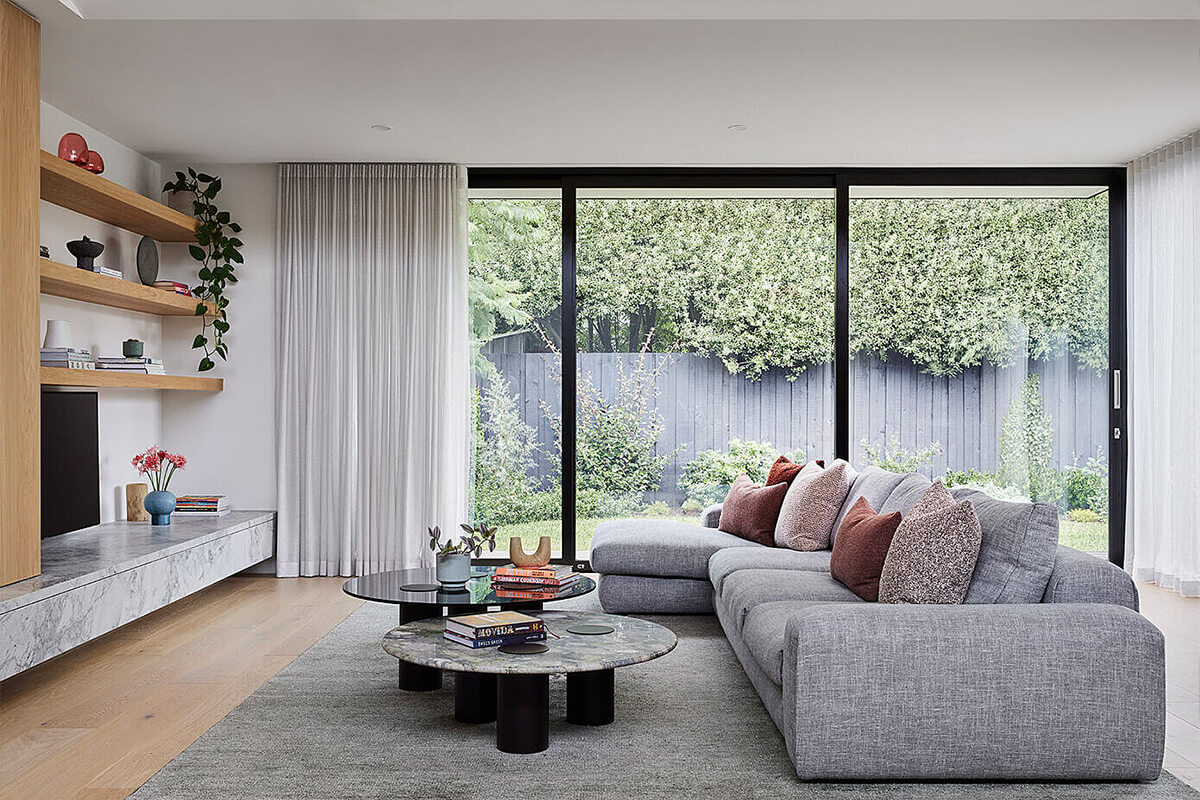
Light wood isn’t one shade, it’s a family of tones that share a common trait. They reflect light instead of absorbing it. The most requested options include:
- White oak (natural or lightly stained): Clean, tight grain, holds up to daily wear
- Blonde and honey oak: Warm without leaning orange, a favorite in remodeled St. Louis kitchens
- Ash: Pale, with strong visible grain patterns
- Driftwood and whitewashed finishes: A soft, sun-bleached look popular in coastal-inspired interiors
- Hickory in lighter cuts: Cream-to-tan variation with the added benefit of serious durability
If you’re working from our custom stain palette, natural and honey are the two shades clients are pulling most often this year, with Gray close behind for a cooler, more European look.
Why Is Light Wood Flooring Trending Again?
A few things are driving the shift back toward light floors:
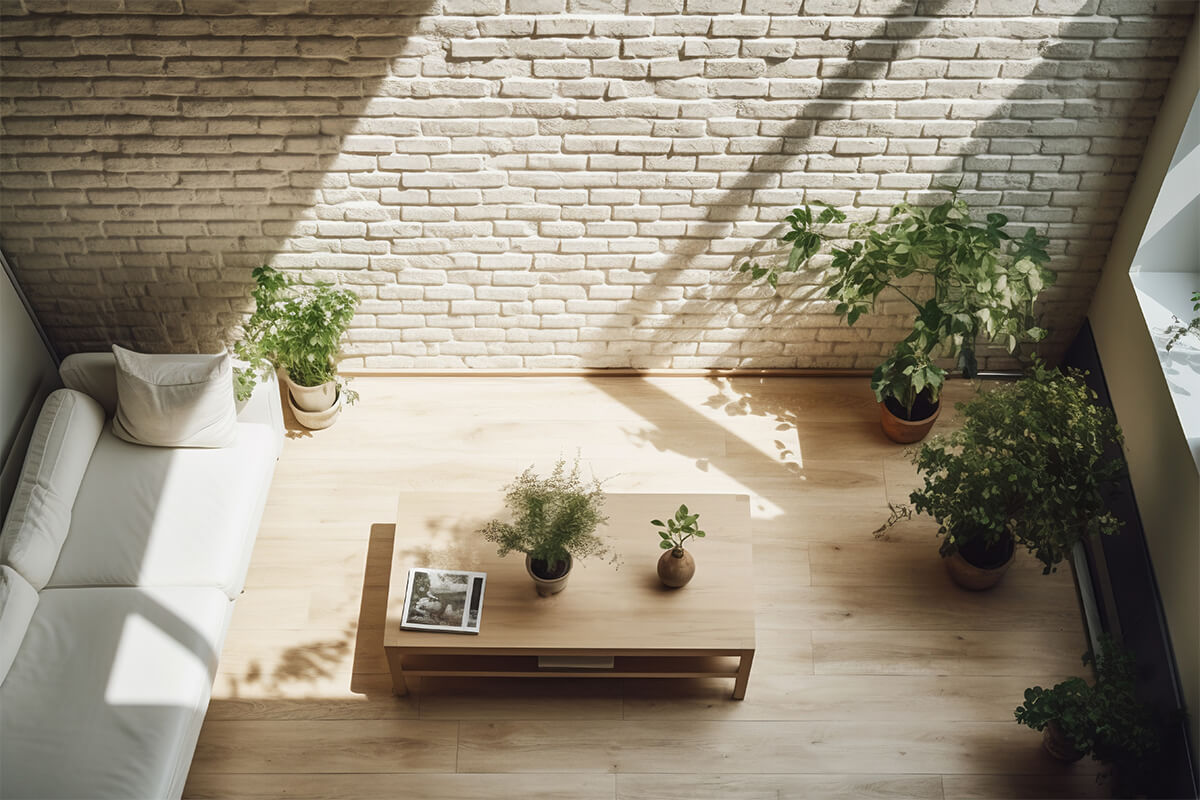
- Rooms feel bigger and brighter: Light-colored surfaces reflect more light, which matters in St. Louis homes with smaller original windows or lower basement and mudroom ceilings.
- They hide daily life better: Dust, pet hair, and light scuffs are far less noticeable on a blonde or honey floor than on a dark espresso stain. A real advantage for busy households.
- They pair with the “quiet luxury” moment: Wide planks, matte or wire-brushed finishes, and balanced, uniform tones read as high-end without shouting for attention.
- They’re forgiving to design around: A light floor is a neutral backdrop, so homeowners can change wall colors, cabinetry, and furniture over time without the floor fighting the new palette.
Is Light Wood Flooring Right for a Small or Dark Room?
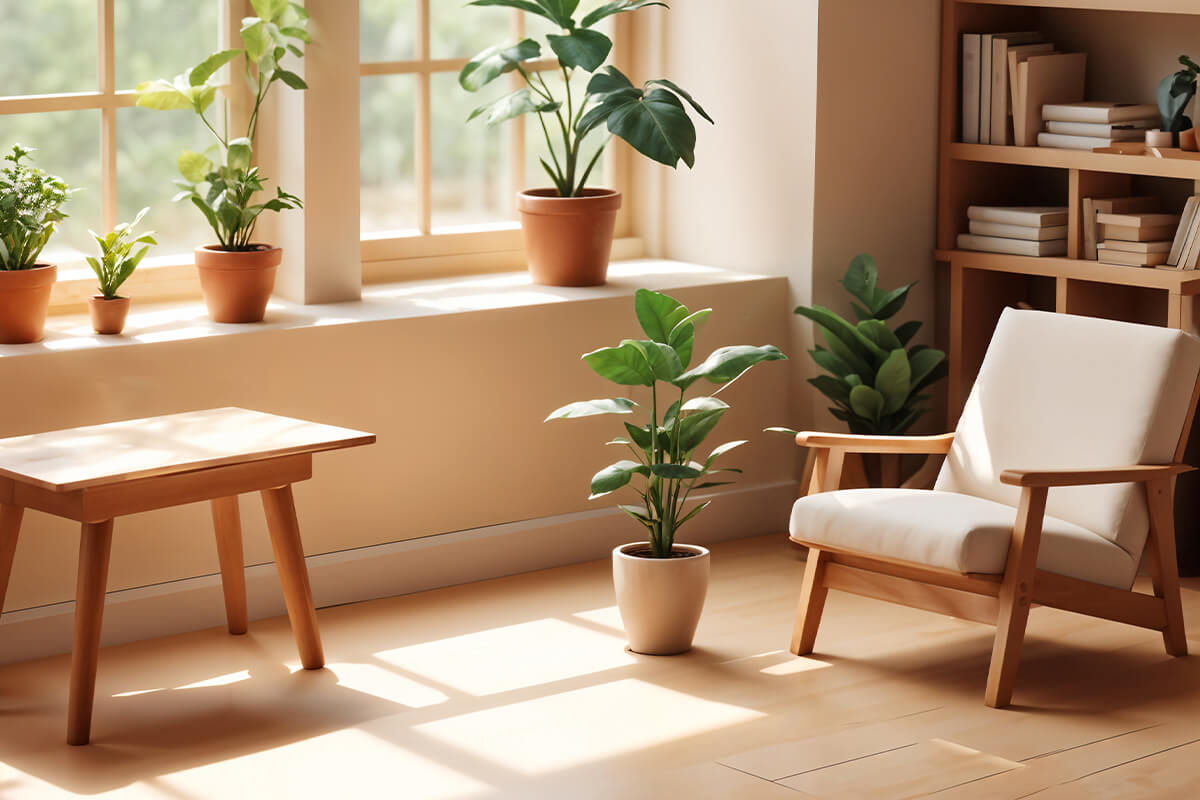
Yes. This is one of the strongest practical arguments for the trend. Light floors bounce available light back into a space rather than absorbing it, which makes low-light rooms (basements, north-facing living rooms, older St. Louis bungalows with smaller window openings) feel noticeably more open.
If a room gets very little natural light, pair the floor with a matte or satin finish rather than high gloss that can actually make a dim room feel flat, while a soft sheen lets the wood grain do the work.
Let's talk about your floor
Contact our team and we’ll walk your space, assess your subfloor, and give you a detailed estimate with options, no obligation.
How Do You Combine Light Wood Floors With Furniture and Decor?
This is where most homeowners get stuck, so here’s a simple framework broken out by look:
Soft Natural Minimalism:
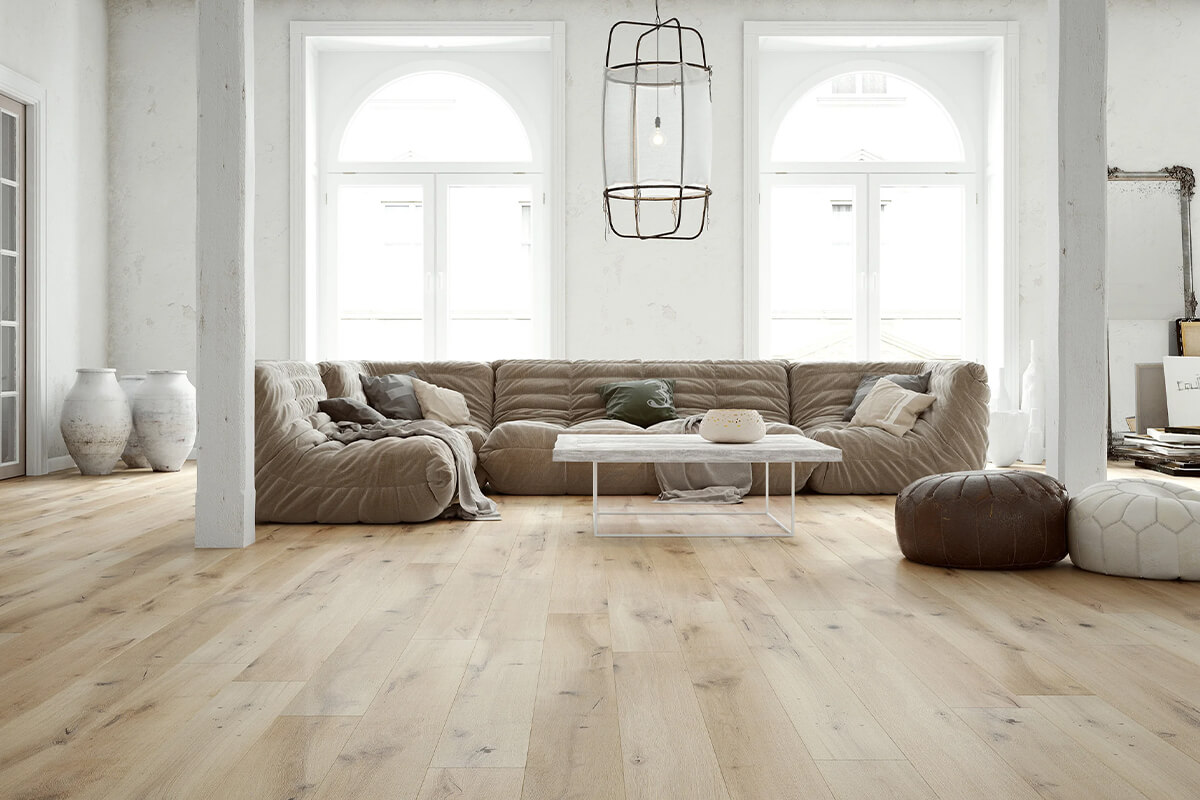
Neutral blonde or natural oak with a matte finish. Pair with off-white walls, linen textiles, and light oak furniture. Best in open-plan living areas and modern condos.
Warm Organic Modern:
Honey-toned wood with visible grain. Pair with matte black fixtures, earthy ceramics, and light leather furniture. A strong fit for family kitchens and transitional homes.
Quiet Luxury:
Wide planks in a balanced beige-blonde with an ultra-smooth matte finish. Pair with curved furniture, soft lighting, and tone-on-tone palettes.
Coastal Calm:
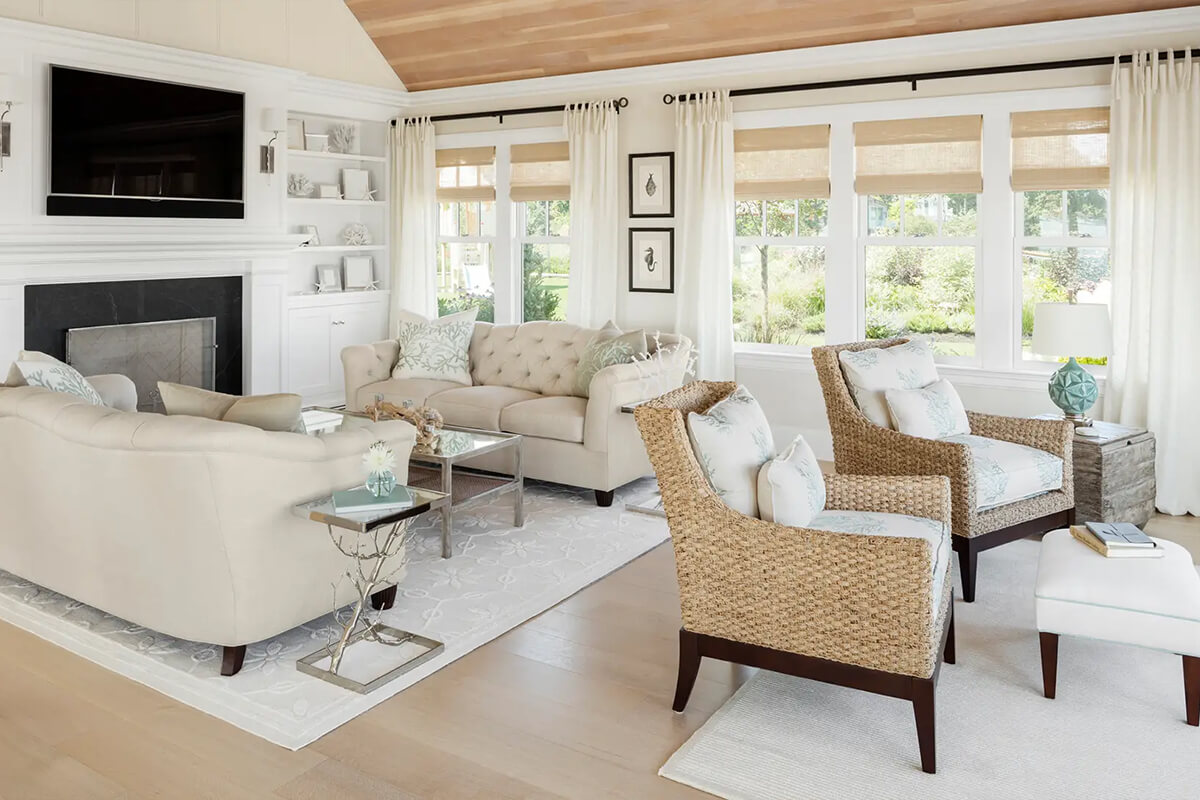
Pale, sun-washed or whitewashed wood. Pair with white walls, blue-gray textiles, and woven materials like jute or rattan.
Heritage Modern Fusion:
Light oak or ash laid in herringbone or parquet. Pair with brass fixtures and natural stone accents. A beautiful option for entries and dining rooms in older St. Louis homes with existing architectural detail.
Modern European Neutrals:
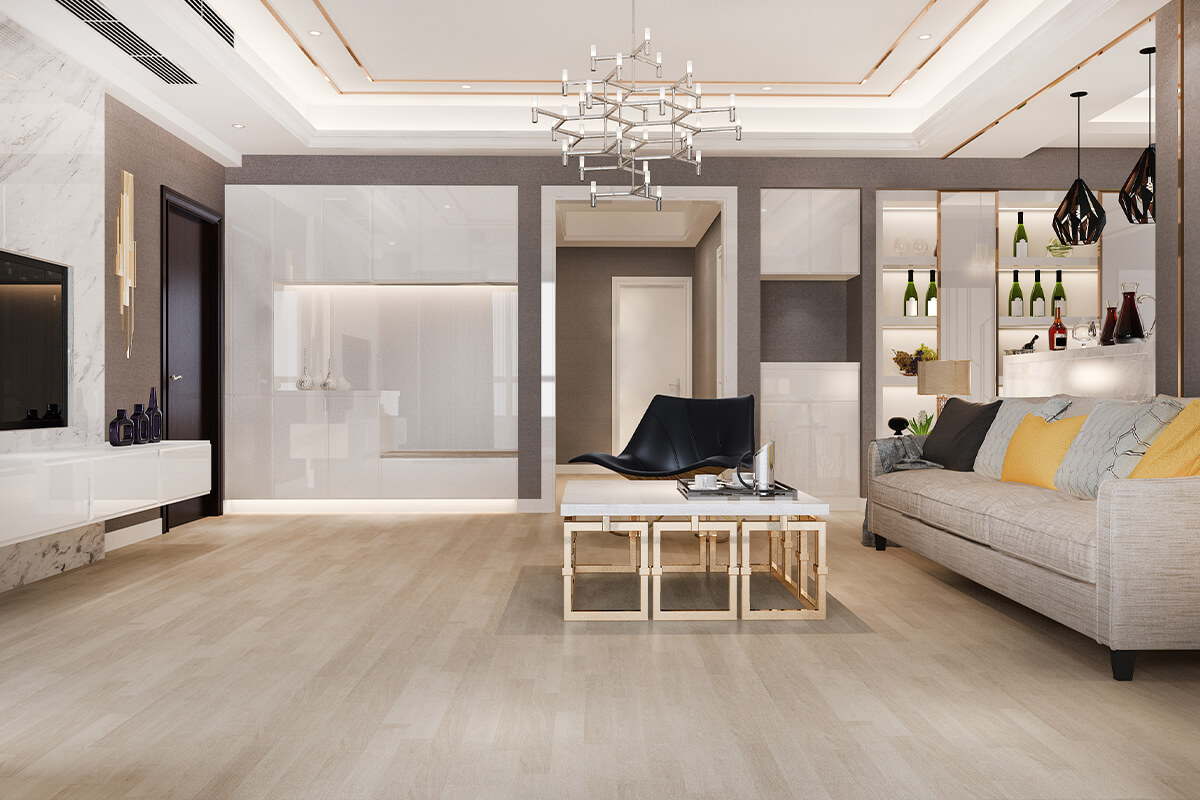
Wide planks in a beige-gray undertone with a satin-matte finish. Pair with taupe walls, marble accents, and neutral upholstery.
A general design rule that applies across all of these: keep contrast intentional. If you love the dark-furniture-on-light-floor look, choose one or two anchor pieces like a dining table, a console, a bed frame, rather than an entire matching dark set, so the room doesn’t feel top-heavy.
What Are the Best Wood Species for a Light Floor?
White oak remains the top choice nationally and locally. It has a Janka hardness rating around 1,360, takes a light or natural finish evenly, and works in everything from a modern farmhouse remodel to a historic Central West End home with existing trim to match.
Hickory is the pick for households with kids or big dogs. Its Janka rating (around 1,820) makes it one of the hardest domestic species available, and its natural cream-to-reddish variation hides scuffs well even in a lighter cut.
Ash offers a paler tone with bold, visible grain. This is a good option when the goal is texture and character rather than uniformity.
Let's talk about your floor
Contact our team and we’ll walk your space, assess your subfloor, and give you a detailed estimate with options, no obligation.
Which Works Better With Light Wood? Wide Plank or Narrow Plank?
Wide plank (typically 7″ to 10″) is the dominant pairing with light wood in 2026. Fewer seams means the eye reads the floor as one continuous surface, which reinforces the “bigger room” effect that makes light wood so popular in the first place. If you’re leaning toward a pattern like herringbone or chevron, go narrower, generally 3″ to 5″, since tighter planks are what make those layouts read as crisp rather than busy.
Which Finish Should You Choose between Matte and Glossy?
Matte, satin, and wire-brushed finishes are leading the trend, and for good reason. High gloss reflects every footprint and dust particle, which works against you on a light floor where the whole point is a clean, low-maintenance look. A wire-brushed texture adds a subtle tactile quality and hides everyday wear even better than a flat matte sheen. A detail worth asking about if the floor is going into a kitchen, mudroom, or high-traffic hallway.
A Few Things to Consider on Light Wood
St. Louis’s mix of housing stock makes light wood especially versatile here. In newer construction and remodels across the metro like on Clayton, Frontenac, Ladue, and Lafayette Square, wide-plank white oak in a Natural or Honey stain is the most requested combination we’re installing right now, usually alongside light quartz counters and brass or matte black hardware.
In the area’s historic 1890s–1940s homes, many original floors are already narrow-strip oak that respond beautifully to a lighter refinish, letting the original character show through instead of hiding it under a heavy stain. If you’re weighing a full replacement against a refinish, that’s often the deciding factor, original strip oak in good structural condition is usually worth saving and lightening rather than tearing out.
Still Not Sure? Get a Professional Assessment
Light wood floors reward good execution the same way dark floors do, even sanding, consistent stain application, and a finish matched to the room’s traffic and light levels are what separate a floor that looks intentional from one that looks like a builder default.
Whether you’re refinishing existing oak, installing new wide-plank white oak, or matching a light stain into an existing pattern, working with an installer who can pull real samples and stain trials on-site makes the difference between guessing and knowing how the floor will actually look in your home.
Ready to Talk About Your Floor?
ST. LOUIS, MO
Ready to start?
Schedule a free consultation and site walk. We'll flag the issues before they become problems.