
BLOG POST
Why Is My Hardwood Floor Squeaking and How Do I Fix It?
Hardwood floors squeak because something is moving that shouldn’t be. Boards rub against each other, or the floor shifts along a loose nail or against the subfloor below. Most squeaks are minor and easy to quiet, but a squeak that comes with soft spots, sagging, wide gaps, or water stains can point to a bigger problem underneath.
This guide covers what causes the noise, how to tell a simple fix from a job for a pro, what affects the cost, and how to plan the repair. It’s written for St. Louis homeowners, where seasonal humidity swings and older homes both play a part.

Why hardwood floors squeak?
A squeak is friction. When you step on a spot, something moves slightly and rubs. The usual causes:
- Seasonal wood movement. Wood swells in humid air and shrinks in dry air. St. Louis has muggy summers and dry, furnace-heated winters, so small gaps open and close between boards through the year.
- Loose nails. Over time, nails work loose, especially in hallways and other busy paths. The board slides up and down the nail and squeaks.
- Subfloor gaps. If the subfloor isn’t tight to the joists, it flexes underfoot. This is common in older homes.
- Settling. Houses shift as they age. Joists can dry out, twist, or lose support.
- Uneven subfloor or install issues. A floor laid over dips, or without proper fastening or expansion space, can flex and squeak.
Solid hardwood and wide planks tend to show this movement more than engineered wood, since there’s more wood to expand and contract.
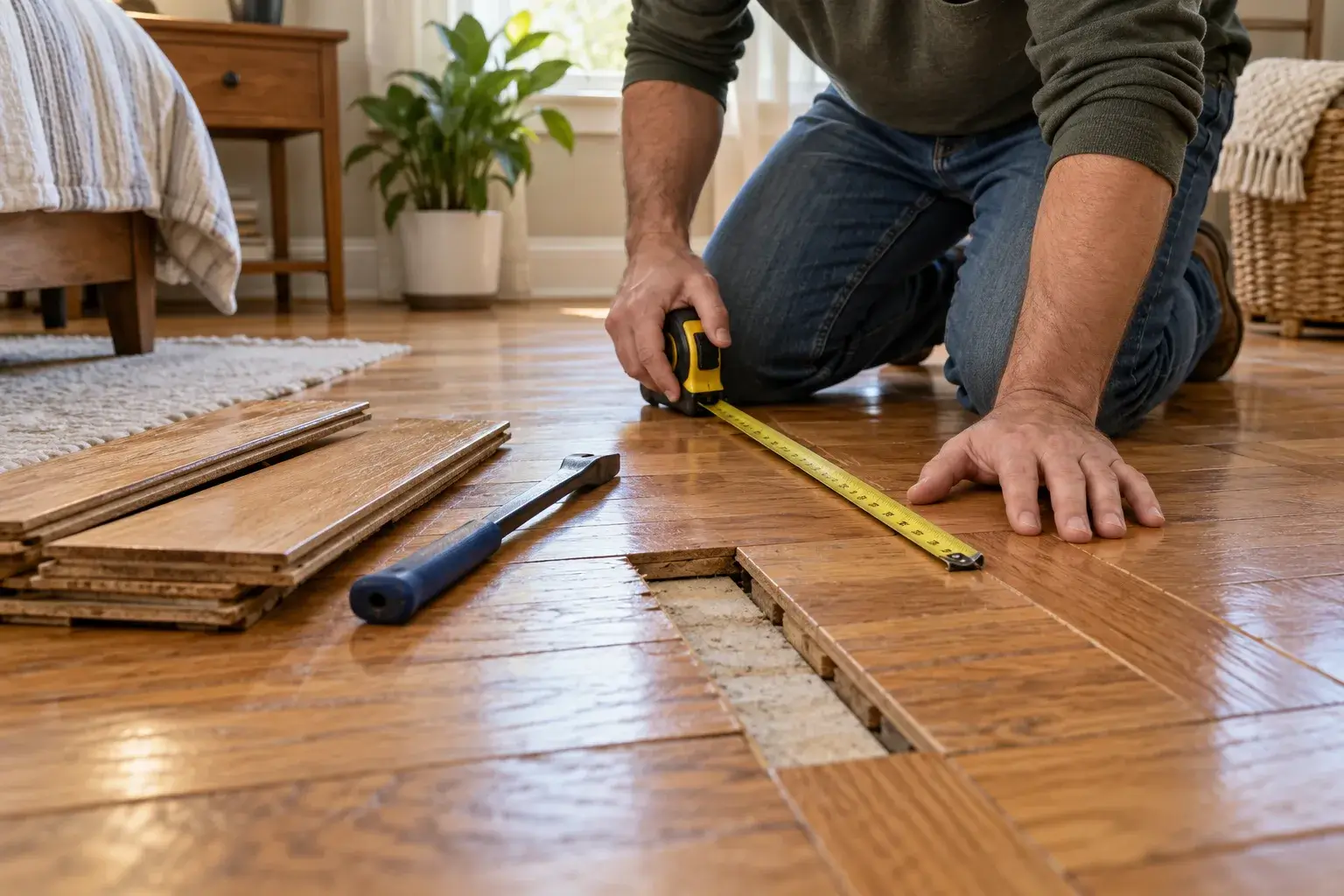
Why it's worth fixing a squeaky floor
- A quieter home. No more creaks outside a sleeping child’s room or on the way to the kitchen at night.
- An early warning. Tracking down a squeak can reveal a loose subfloor, weak support, or moisture before it spreads.
- Less wear. Boards that keep moving can loosen their neighbors and wear at the edges and finish.
- A better impression. Buyers and inspectors notice noisy, bouncy floors.
- Most fixes are small. Many squeaks can be quieted in an afternoon without tearing anything out.
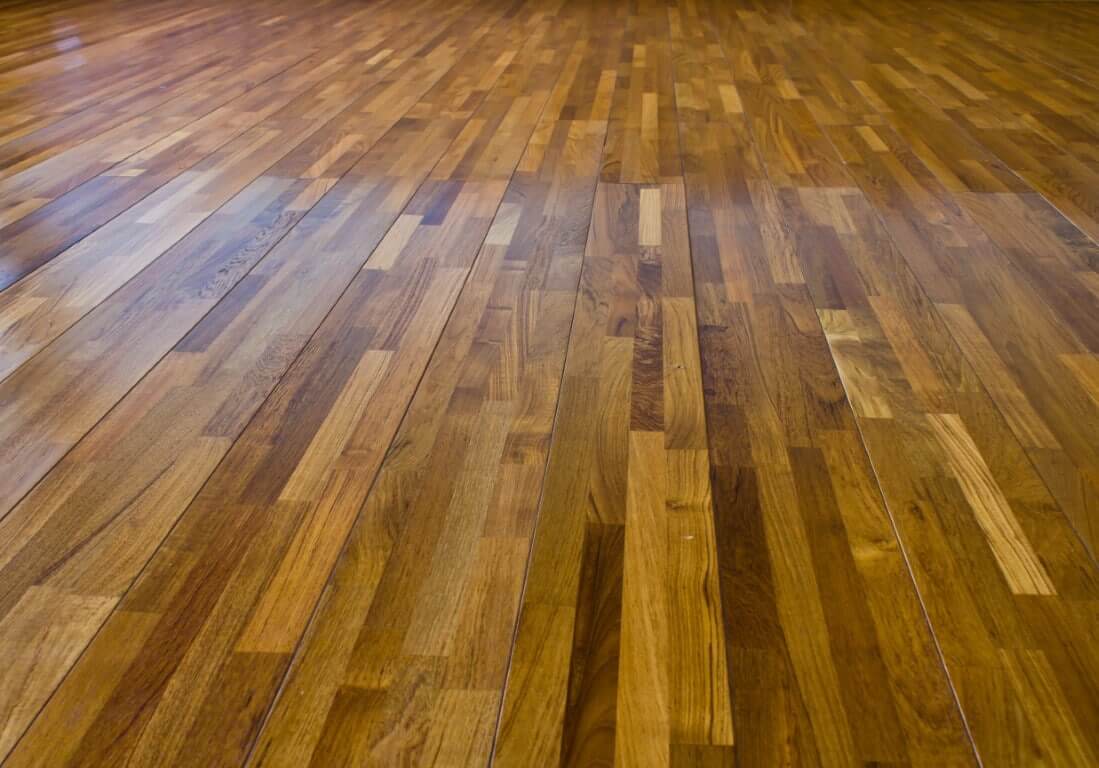
When a squeak is a simple fix
Most squeaks fall into this group. You’re likely here when:
- It’s one or two spots and the floor otherwise feels solid and flat.
- It comes and goes with the seasons. Noise that shows up in winter and fades in summer usually points to humidity, not damage. A humidifier in winter or a dehumidifier in summer often helps.
- Boards rub at the seams. Working powdered graphite or talc into the joint, then vacuuming up the extra, can reduce friction. Check with your floor or finish manufacturer first.
- You can reach it from below. In an unfinished basement, have someone walk the floor while you watch for movement. A shim with construction adhesive, or a block screwed to the joist, can snug up a loose subfloor. Use screws short enough that they don’t come through the finished floor.
- There’s no access from below. Squeak-repair kits use special screws driven through the floor and snapped off below the surface, then filled. Done carefully, they work well. Done wrong, they can split boards or leave visible marks.
- It’s under furniture. Move the piece. If the noise changes, felt pads may be all you need.
- It’s a faint creak and nothing else. In an older home, an occasional creak with no other signs may not need fixing at all. If it doesn’t bother you, it’s fine to leave it.
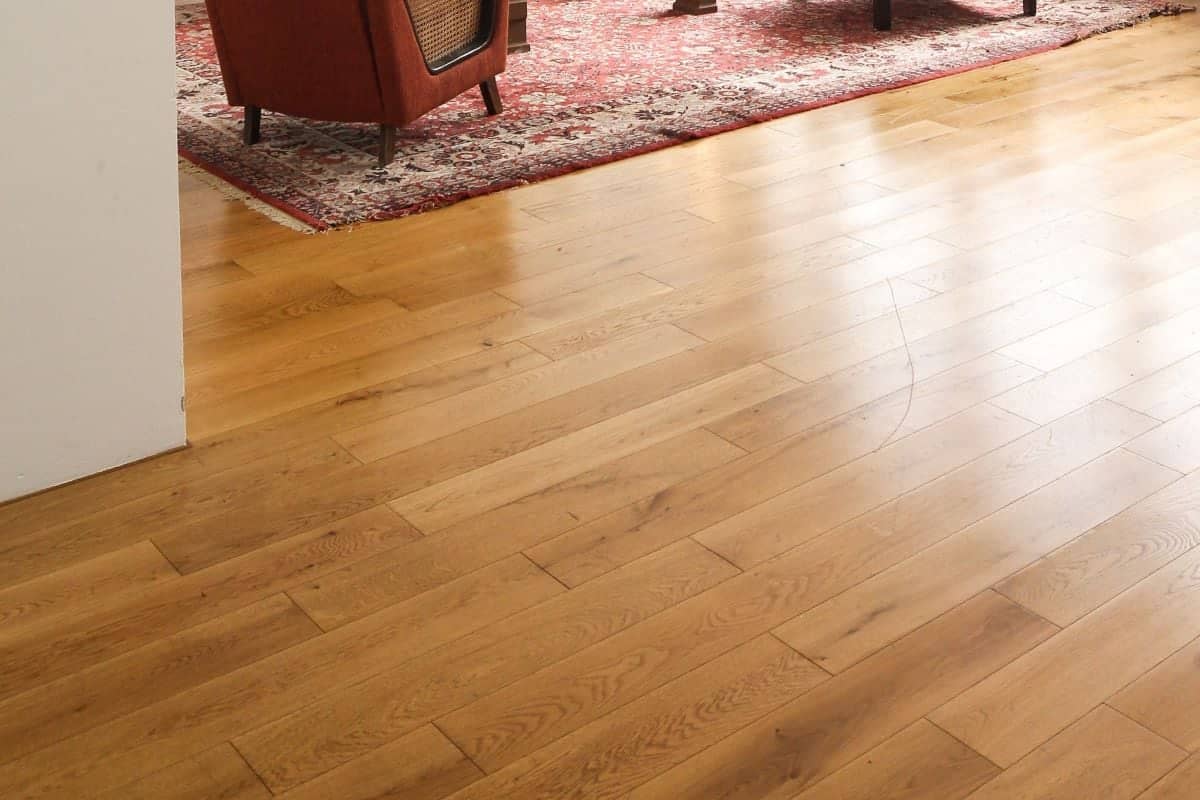
When a squeak points to a bigger problem
Some squeaks are a symptom. It’s time to call a pro when you notice:
- Soft, spongy, or bouncy spots. These can mean a damaged subfloor or weak framing.
- Sagging or uneven areas, such as a dip in the middle of a room.
- Cupping, buckling, or dark stains. These point to moisture from a leak, plumbing, a damp basement, or past water damage. Quieting the squeak without fixing the moisture won’t last.
- Squeaks in several rooms, or noise that gets worse quickly.
- Boards that lift or have wide gaps that don’t close up in summer.
- Loose or wobbly stair treads. That’s a safety issue, not just a noise.
- Noise in a newly installed floor. A new floor shouldn’t flex. It can point to subfloor prep or installation problems that are easier to address early.

What affects the cost to fix a squeaky floor
There’s no single price for squeak repair. Cost depends on the cause and how hard it is to reach:
- The cause. A seam or seasonal squeak may cost little more than a lubricant or a humidifier. A loose subfloor, damaged boards, or water damage takes more time and materials.
- Access from below. An unfinished basement makes repairs faster. A finished ceiling below, or a second-floor room, usually means working from above.
- How much of the floor squeaks. One spot is a small job. Squeaks across a whole floor may point to a wider subfloor or framing issue.
- Board replacement. Cracked or water-damaged boards may need to be replaced and blended in. Older floors can be harder to match.
- Refinishing. Repairs from above or new boards sometimes need sanding and finish to blend with the rest of the floor
- Moisture. If water is involved, the source has to be fixed first, and damaged subfloor may need replacing.
- Stairs. Treads and risers take more careful work than a flat floor.
For an accurate number, have the floor looked at in person.
Let's talk about your floor
Contact our team and we’ll walk your space, assess your subfloor, and give you a detailed estimate with options, no obligation.
Tips for planning a squeaky floor repair
- Map the squeaks. Walk the floor slowly and mark each noisy spot with painter’s tape. Note the season, too.
- Look from below if you can. Measure each spot from a wall so you can find it in the basement. Look for gaps at the joists, nails that missed, or water stains.
- Check your humidity. An inexpensive hygrometer shows how far your home swings between seasons. Your flooring manufacturer’s guidelines list the range to aim for.
- Rule out moisture first. Check near bathrooms, kitchens, and exterior walls, and keep an eye on basement humidity. Many St. Louis basements run damp in summer.
- Start with the least invasive fix. Try humidity control, a lubricant, or a fix from below before driving screws through the finished floor.
- Know when to stop. If you find soft spots, sagging, rot, or damaged boards, bring in a pro before going further.
- Bundle the work. Planning a refinish? Have squeaks and loose boards fixed first so it’s all done at once.
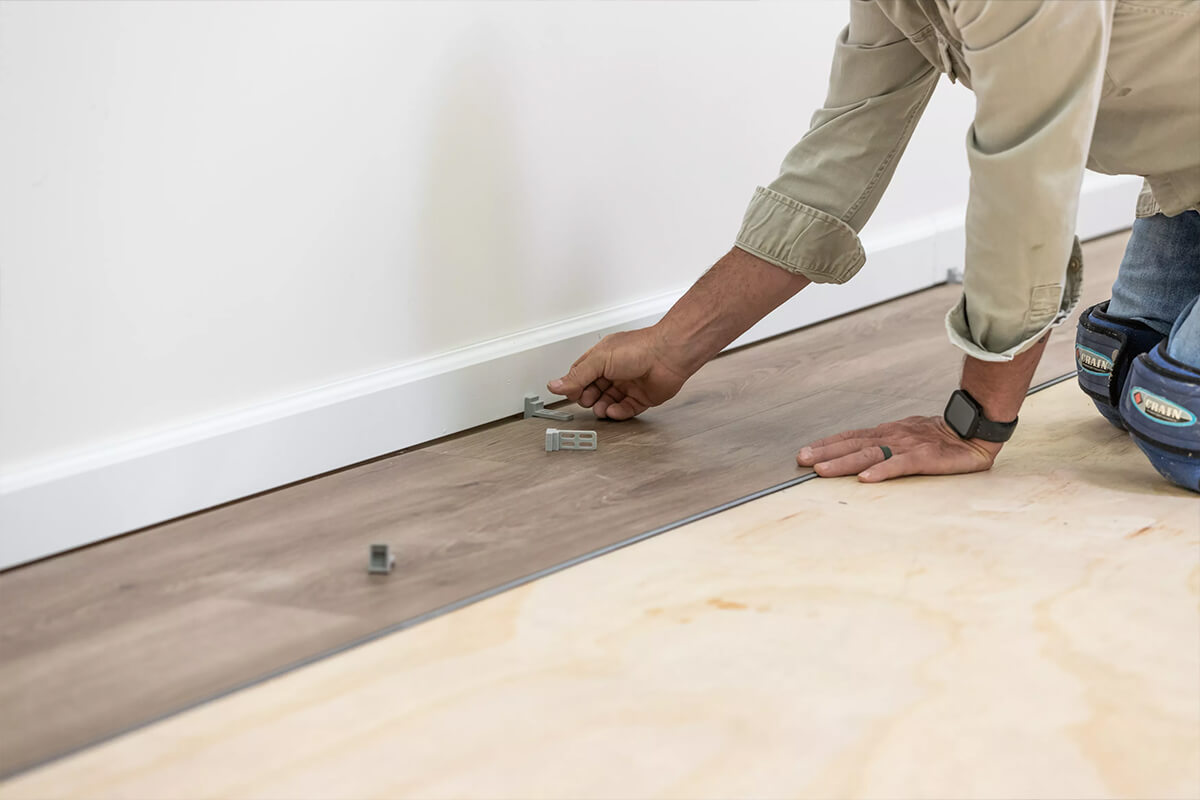
FAQS: Repairing Squeaky Floors
Is a squeaky hardwood floor a sign of structural problems?
Usually not. Most squeaks come from boards rubbing or loose nails. A squeak with sagging, soft spots, or wide gaps is worth having checked, since it can point to subfloor or framing issues.
Why does my floor squeak more in winter?
Dry indoor air, especially with the furnace running, makes wood shrink. Small gaps open between boards, so they move and rub more. Adding humidity often helps.
Can I fix a squeaky floor myself?
Often, yes. Lubricating seams, controlling humidity, or shimming from an unfinished basement are reasonable DIY fixes. Screwing through the finished floor takes more care, since a mistake can crack boards or leave marks.
Will refinishing my floors stop the squeaks?
No. Refinishing renews the surface, but squeaks come from movement below it. Fix the squeaks first, then refinish.
Do laminate and LVP floors squeak too?
They can. Floating floors may creak when the subfloor is uneven, the underlayment is wrong, or expansion space is missing. The fix usually involves the subfloor or the installation, not the planks.
How do I fix squeaky stairs?
Squeaky stairs usually have treads that have loosened from the framing. They can be tightened from below if the underside is open, or from above with screws or a repair kit. Fix loose treads promptly for safety.
Why is my hardwood floor squeaking and how much does it cost to fix?
Most hardwood floors squeak because boards rub together, nails work loose, or the subfloor pulls away from the joists. Seasonal humidity often makes it worse. Cost depends on the cause. Seam or humidity squeaks can cost very little to fix, while loose subfloor, damaged boards, or water damage take more work. A flooring pro can find the cause and give you an accurate quote.
Ready to Talk About Your Floor?