Can Water-Damaged Hardwood Floors Be Fixed?
Water spills, plumbing leaks, or even a forgotten puddle during a home project can turn your beautiful hardwood floors into a warped, cupped, or discolored mess in just hours. If you’re staring at buckled oak planks right now, you’re probably wondering: Can water-damaged hardwood floors be fixed, or do I have to rip everything out and start over?
The good news? In most cases, hardwood floors can often be saved without a full replacement, especially if you act fast. Here’s the complete expert guide, including when DIY works, when to call pros, and real 2026 cost expectations.
How Bad Is the Damage, Really?
Hardwood is porous, so water soaks in quickly. Look for these tell-tale signs:
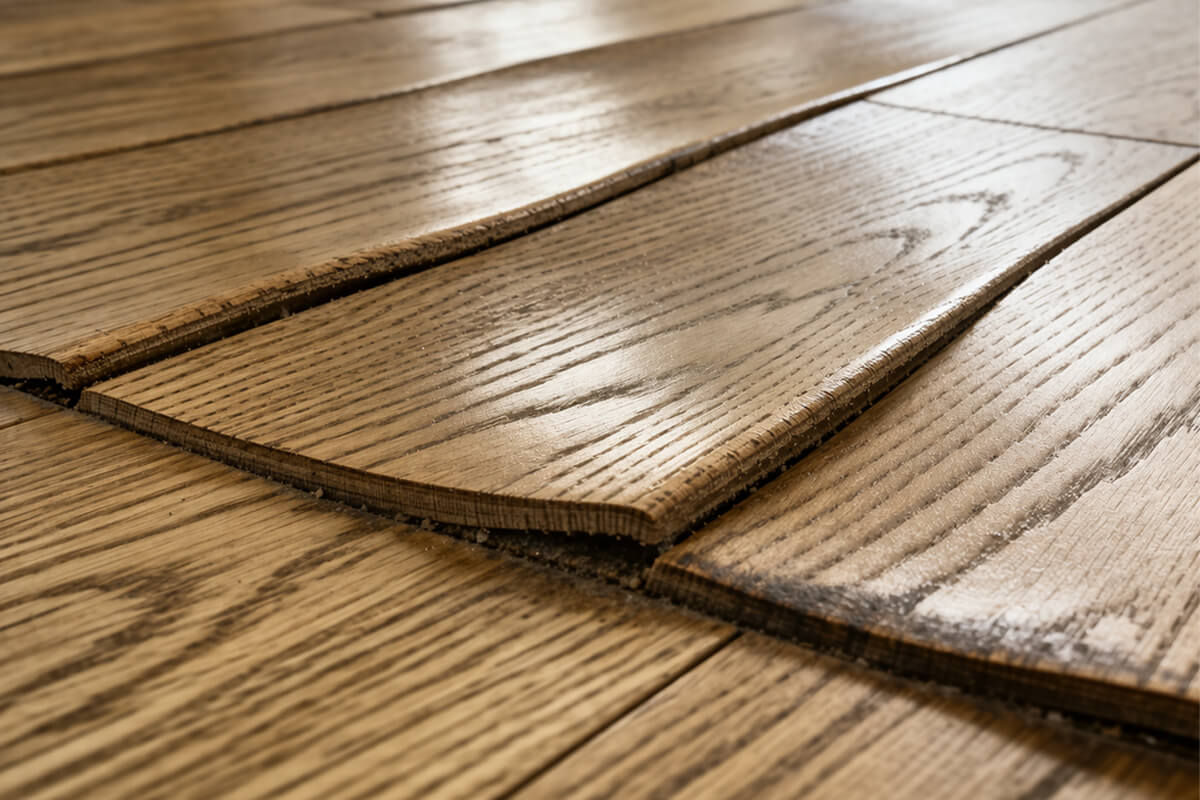
- Cupping or crowning: Boards curve up at the edges or rise in the center.
- Dark stains or discoloration: Water has penetrated deep into the grain.
- Warping or buckling: The floor feels uneven or “springy” underfoot.
- Musty odor or visible mold: Moisture has reached the subfloor.
- Gaps or separation between boards.
Pro tip: Grab a moisture meter (or call a pro for one). Readings under 7% are generally safe; anything higher means the wood and subfloor are still holding water.
The earlier you catch it, the better. A puddle left for just a few hours can often be reversed. Days or weeks of exposure? You’re more likely looking at board replacement.
Immediate Action: Stop the Damage in the First 24–48 Hours
- Stop the source: Shut off the water, fix the leak, or mop up the spill.
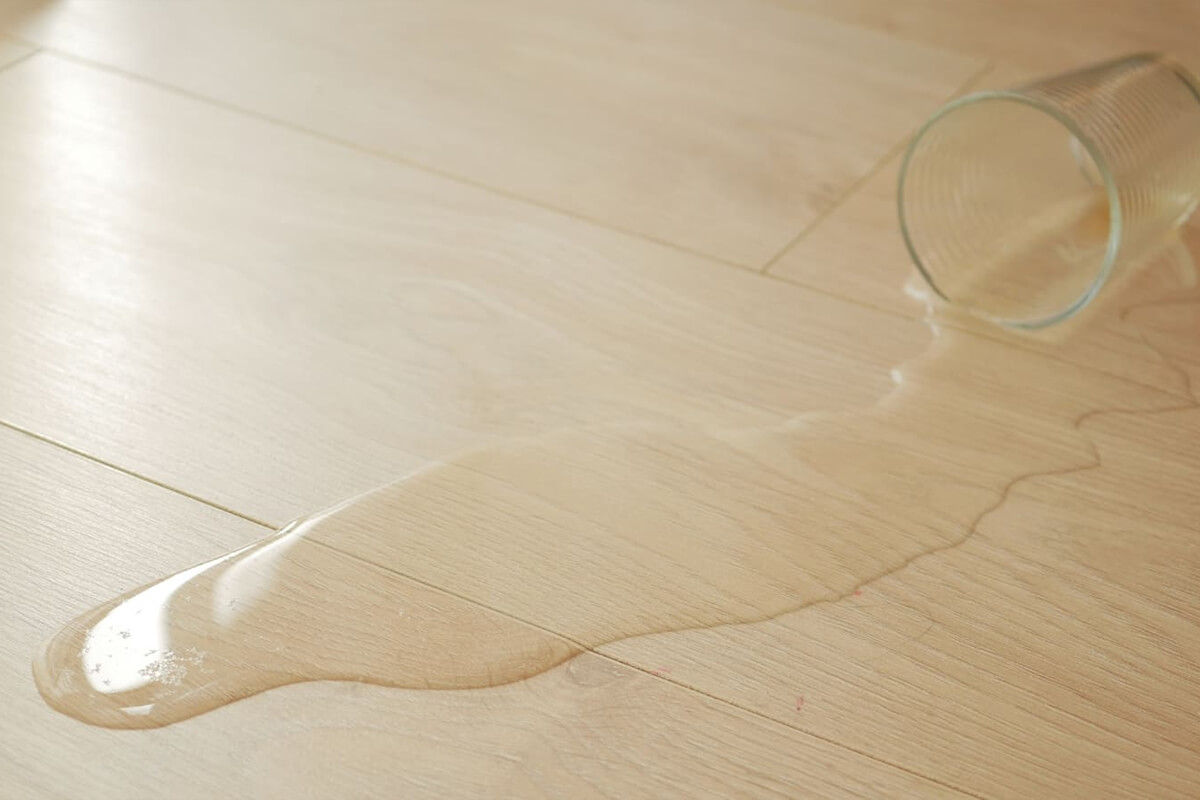
- Remove standing water: Use a shop-vac, towels, or a wet-dry vacuum. Don’t let it sit.
- Dry thoroughly: Open windows, run fans, and set up dehumidifiers. Professional drying equipment can cut days off the timeline.
- Pull back furniture and check baseboards and subfloor if possible.
Never sand or refinish wet wood. You’ll lock in the moisture and make the problem permanent.
Should I do a DIY repair or use professional help?
Minor damage (surface water, light cupping, no mold)
You can often fix this yourself:
- Clean with a mild wood-floor solution or detergent mix.
- Dry completely (24–72 hours with fans).
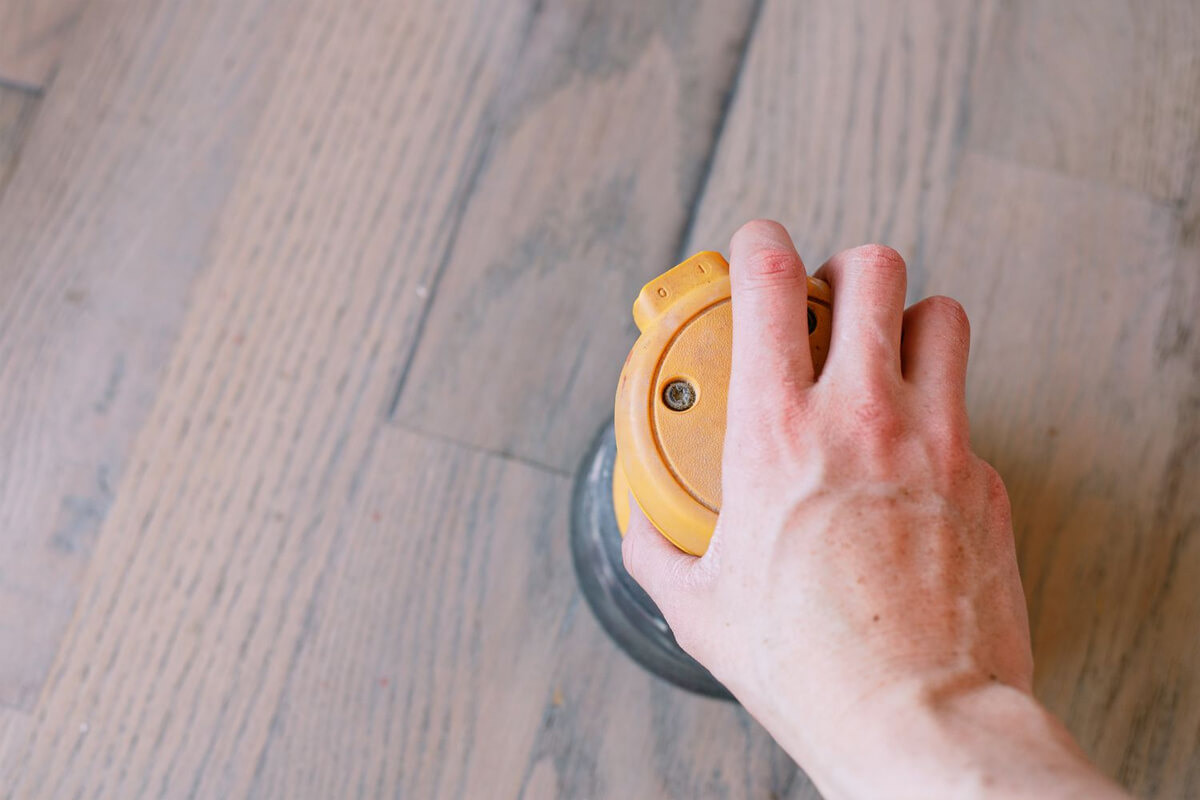
- Lightly sand raised areas and refinish just the affected zone with matching stain and 2–3 coats of polyurethane.
Moderate to severe damage (warping, deep stains, mold, or subfloor issues)
This is where most homeowners call in the experts. A pro will:
- Use industrial dehumidifiers and moisture mapping.
- Remove and replace only the damaged boards (finger-jointing new pieces so they blend invisibly).
- Sand and refinish the entire room (or section) for a seamless match.
- Treat or replace subfloor if needed.
From our experience, 80% of water-damaged hardwood jobs can be repaired without full replacement, but only when the subfloor is properly dried and the right boards are matched.
Water-damaged floor repair costs
It’s important to note that costs vary by square footage, damage level, and whether subfloor work is needed. Here’s a guide on how much homeowners are paying right now:
- Minor surface repair & spot refinishing: $50–$80 per sq. ft.
- Partial board replacement + full-room sand & finish: $90–$140 per sq. ft.
- Full section replacement + subfloor remediation: $140–$250 per sq. ft.
- Professional water extraction & drying only: $400–$1,000
Average total for a typical 200 sq. ft. living-room repair? $3,000–$8,000, far less than a full floor replacement, which can be around $15,000.
Mistakes that make water damage worse
- Waiting to dry the floor (“It’ll dry on its own” is expensive advice).
- Sanding too soon.
- Ignoring the subfloor, mold loves hidden moisture.
- Mismatching stain or finish (the repair screams “patch job” forever).
- Choosing the wrong contractor. Always verify they specialize in hardwood repair, not just installation.
Ready to save your floors?
Water-damaged hardwood floors don’t have to mean a total gut job. With quick action and the right expertise, most floors can be restored to their original beauty — often without replacing a single extra board.
If you’re in the St. Louis area, the team at Classic Flooring Solutions has been handling these exact repairs for over 20 years. We offer free in-home assessments, honest advice on repair vs. replace, and a seamless process so you’re not stuck living out of a hotel.
Ready to get your floors looking brand new again?
Contact us today at (314) 302-7222 for a free estimate. Your hardwood deserves expert care, and so do you.