BLOG POST
Vinyl Plank Flooring Cost to Install in St. Louis
Vinyl plank flooring or LVP has become one of the most popular flooring choices in St. Louis. It holds up to Missouri’s humidity swings better than solid hardwood, costs less to install, and modern products are convincing enough that most guests can’t tell the difference. But pricing varies more than most homeowners expect so here’s a guide on what vinyl plank flooring cost.
This guide breaks down what you’ll actually pay in the St. Louis market, what drives costs up or down, and what questions to ask before signing a contract. Price ranges here are 2026 St. Louis market references. Every project is different so please contact our team for a free, accurate quote for your specific home.
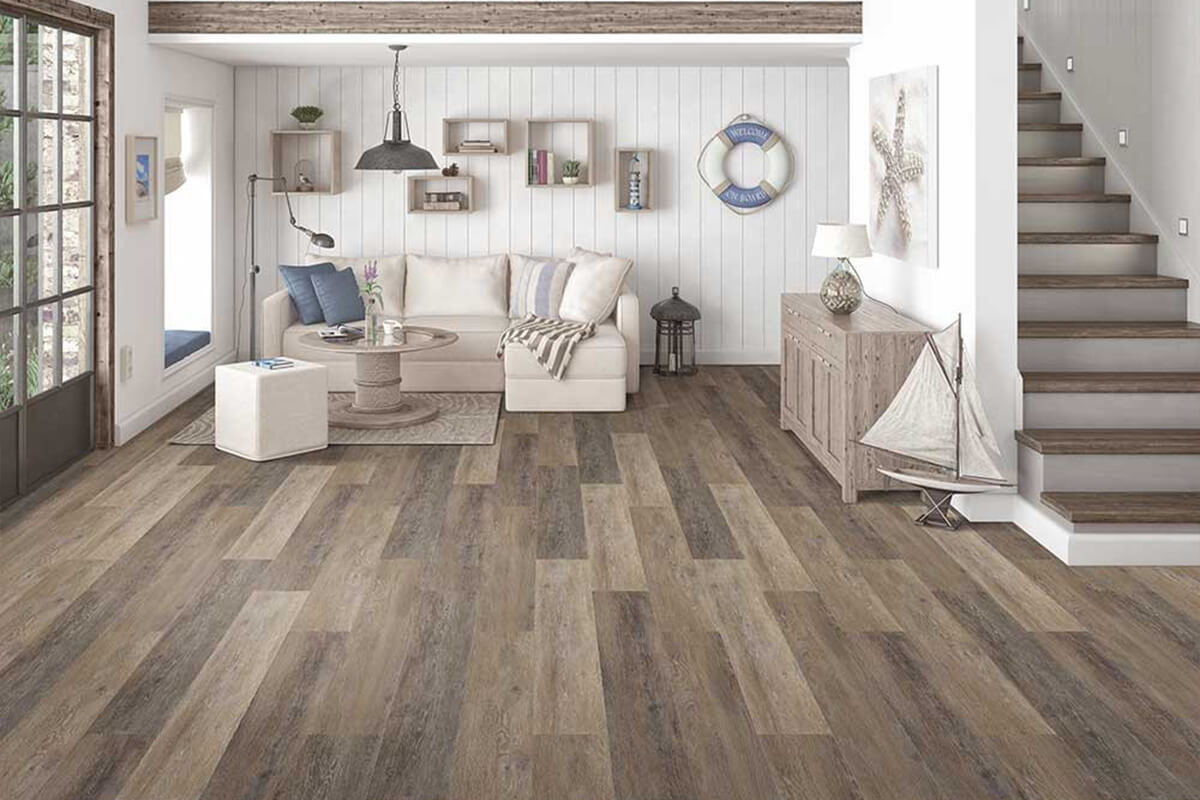
What most St. Louis homeowners pay for vinyl plank?
For a complete installation that include materials, labor, transitions, and standard subfloor prep, most St. Louis residential projects fall in this range:
| Project Type | Estimated Installed Cost |
|---|---|
| Basic LVP, standard rooms, flat subfloor | $3.00 – $5.50 per sq ft |
| Mid-grade SPC/WPC (most homes) | $5.00 – $8.00 per sq ft |
| Premium rigid-core with full prep | $8.00 – $12.00+ per sq ft |
| Whole-home install (~1,000 sq ft) | $2,500 – $7,500+ total |
St. Louis sits about 6% below the national cost-of-living average, so both materials and labor tend to run slightly more affordable here than in other U.S. markets. That said, your actual quote will depend on the factors below.

The factors that move the price the most
Subfloor condition
This is the biggest variable, especially in older St. Louis neighborhoods where original mid-century subfloors are common. Leveling minor issues adds $1–$3 per sq ft; significant damage or replacement runs $3–$10 per sq ft. A proper site walk before any project starts can surface these costs early, so they don’t show up as surprises mid-job.
Old flooring removal
Carpet removal runs $0.50–$1.50 per sq ft. Tile, common in kitchens and bathrooms across St. Louis, costs $2–$6 per sq ft to remove because it’s slow, heavy work. If you’re replacing vinyl or linoleum, expect $1–$3 per sq ft.
Room layout and complexity
Large, open-plan spaces are the most efficient to install. Costs increase for rooms with tight corners, closets, multiple doorways, or custom patterns like herringbone. Diagonal layouts also require 10–15% more material for waste versus 5–10% for straight installations.
Product grade and wear layer
The wear layer, the clear urethane coating on top, determines how long a floor holds up. A 12 mil layer is fine for low-traffic rooms; 20+ mil is worth the extra cost for families with pets or heavy foot traffic. Higher-grade SPC (stone plastic composite) cores also cost more, but they perform better in basements and below-grade spaces where moisture and temperature variation are real concerns in St. Louis homes.
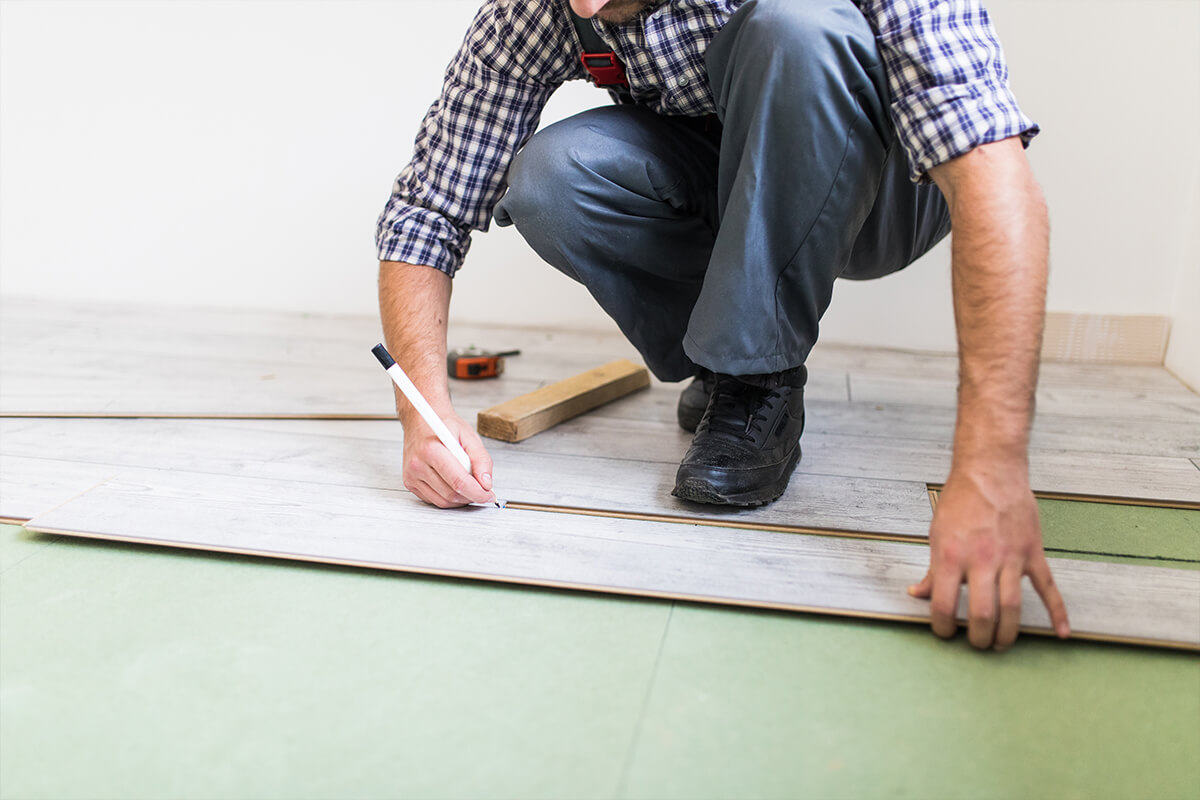
DIY or call a professional to install your floor?
Click-lock LVP is one of the more DIY-friendly flooring products but the right choice depends on your room and subfloor situation.
| Scenario | DIY Viable? | Notes |
|---|---|---|
| Small room, simple layout | Yes | Materials + tool rental; ~$2–$6/sq ft |
| Large multi-room, open floor plan | Possible | Skill-dependent; errors are costly to fix |
| Basement with moisture concerns | Not recommended | Moisture testing requires expertise |
| Complex cuts, stairs, transitions | Not recommended | Mistakes are expensive to reverse |
| Glue-down LVT | No | Professional-only application |
Professional installation typically adds $1–$5 per sq ft in labor and comes with a workmanship warranty. The most common DIY issues in plank lippage, inadequate expansion gaps, and moisture damage that surfaces months later, are all expensive to fix after the fact.
How to get the best value on a flooring installation?
- Install multiple rooms in one project, labor efficiency usually means better per-square-foot pricing
- Get at least three itemized quotes and compare line by line, not just totals
- Schedule in fall or late winter when contractor availability is higher
- Don’t skimp on wear layer, a thin product in a high-traffic area will need replacing sooner
- Test subfloor moisture before installation, especially in St. Louis basements
Let's talk about your floor
Contact our team and we’ll walk your space, assess your subfloor, and give you a detailed estimate with options, no obligation.
Frequently Asked Questions
Is vinyl plank flooring waterproof?
Most modern LVP is waterproof through the plank itself. However, water can still migrate through seams and edges if installation doesn’t include proper moisture mitigation, especially important in St. Louis basements and below-grade spaces.
Can vinyl plank be installed over existing tile?
Yes, as long as the tile is stable, fully bonded, and reasonably level. Deep or wide grout lines may need to be filled first. Installing over tile can save the cost of removal, but the resulting height change needs to be managed at transitions.
How long does vinyl plank flooring last?
Entry-level products (6–12 mil wear layer) typically last 8–12 years in normal residential use. Mid-grade (12–20 mil) often reaches 15–20 years. Premium rigid-core SPC with a 20+ mil wear layer can last 25+ years with proper care.
Does vinyl plank increase home value?
It improves marketability and appeal, particularly in basements and kitchens where hardwood isn’t practical. While the ROI won’t match site-finished hardwood in higher-end homes, quality LVP is a neutral positive for most buyers.
Does vinyl plank work with radiant heat?
Some products are compatible with radiant heat systems; others are not. Always confirm with the manufacturer spec sheet before installation. We verify compatibility as part of our spec review on every project.