7 Reasons Your Tile Floor Is Cracking (What to Do Next)
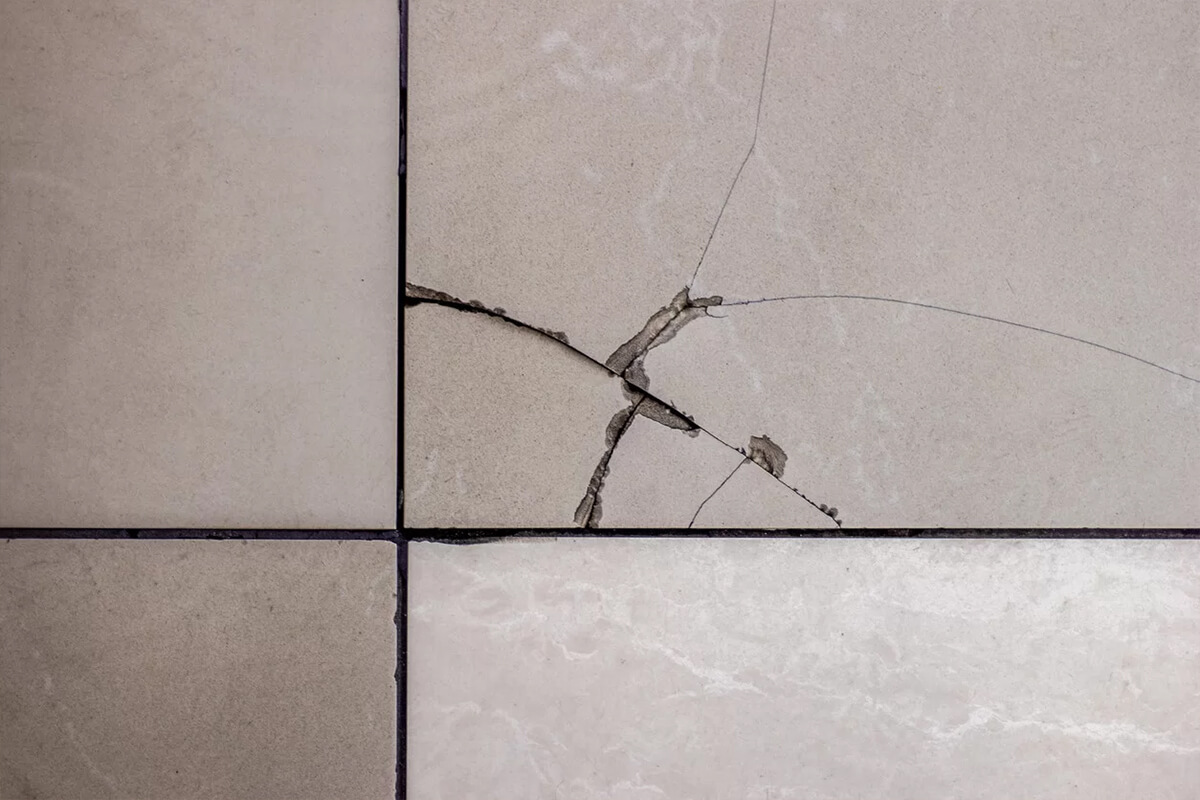
Tile is known for durability, but when damage starts showing up, homeowners naturally want answers. If you are searching for the reasons your tile floor is cracking, the cause may be as simple as impact damage or as serious as movement in the subfloor below.
Understanding what is causing the cracks is the first step toward fixing the problem correctly and preventing more damage later.
1. Your Subfloor Has Too Much Movement
One of the most common reasons tile cracks is because the subfloor underneath has too much flex. Tile and grout are rigid materials, so when the floor below moves, shifts, or bends under pressure, the tile often takes the stress.
This is especially common in older homes or in areas where the floor was not properly reinforced for tile installation.
Signs of subfloor movement include:
Cracks appearing in multiple tiles in the same area
A floor that feels slightly bouncy or uneven
Tiles that sound hollow when tapped
Grout cracking near heavy traffic areas
2. There Was Not Enough Mortar Under the Tile
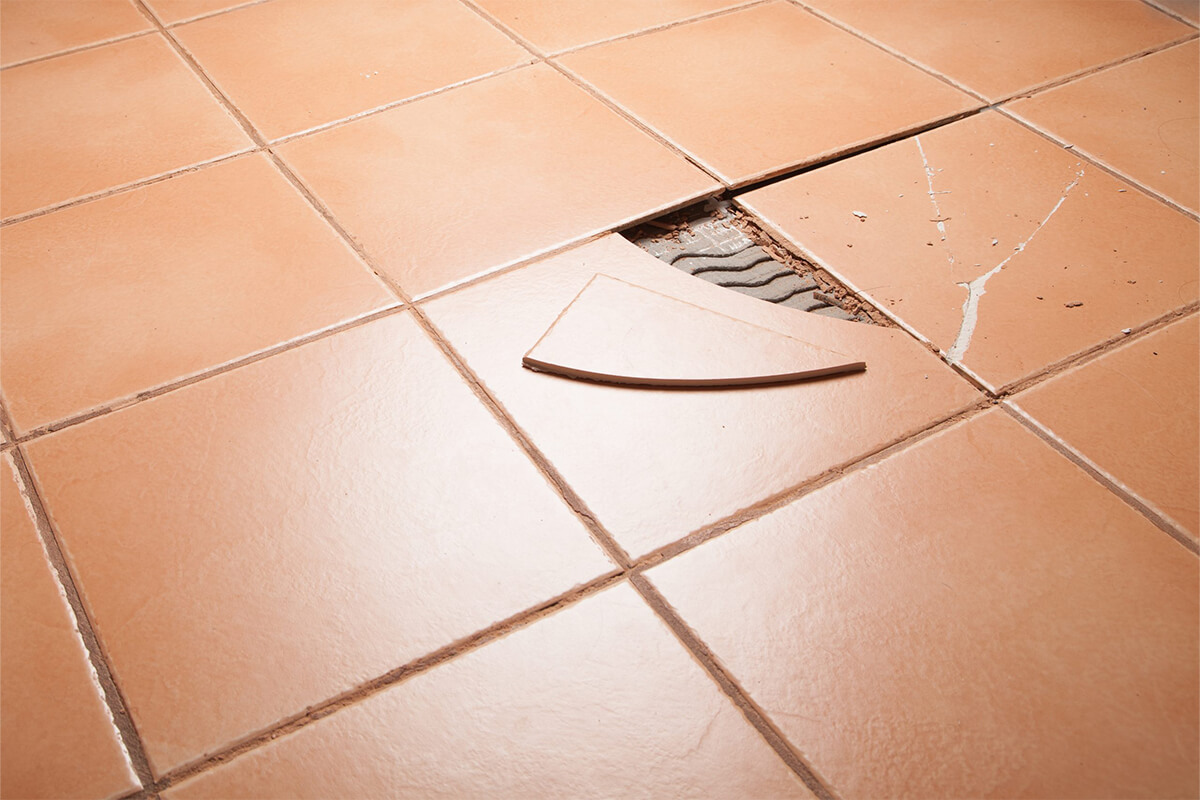
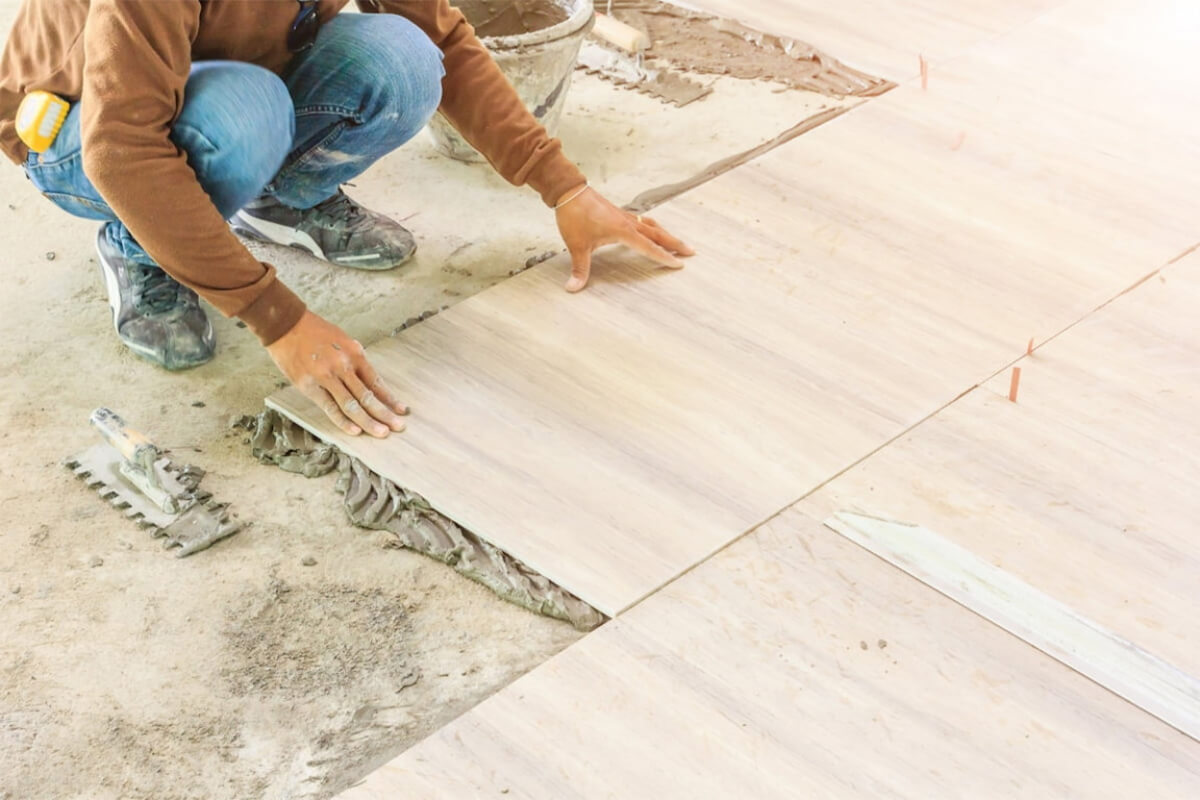
Tile needs full support underneath. When there is not enough mortar coverage, hollow spots can develop below the tile. Over time, those unsupported areas become weak points, and normal foot traffic can cause the tile to crack.
This issue is especially common with large-format tile, where proper coverage matters even more.
You may notice:
A crackling or crunching sound when stepped on
Hollow-sounding tile
Loose tiles
Cracks that seem to appear without anything being dropped on them
3. The Tile Was Installed Without the Right Underlayment
In many cases, tile should not be installed directly over a wood subfloor. It often needs a cement backer board or an uncoupling membrane to help reduce stress and movement transfer.
Without that layer, normal settling and seasonal changes can put direct pressure on the tile surface. Over time, that pressure can lead to cracked tile, cracked grout, or tile that begins to loosen.
4. The Installation Did Not Include Proper Movement Joints
Tile expands and contracts with temperature and humidity changes. If an installer does not allow room for that natural movement, pressure can build up across the floor.
That pressure may eventually cause:
Cracked tiles
Cracked grout lines
Loose tile
Tile that lifts or “pops” upward
Movement joints are one of those details homeowners do not see, but they play a big role in long-term performance.
5. Moisture Has Damaged the Subfloor
Water can cause major issues below the tile surface. A plumbing leak, slow moisture exposure, or long-term humidity can damage a wood subfloor and cause swelling, soft spots, or separation in the layers of plywood.
Once that happens, the tile above may begin to crack because the surface underneath is no longer stable.
This is one reason why crackling sounds should not be ignored. Sometimes the noise is not just the tile. It may be the material below it starting to fail.
6. The Home Is Settling or the Foundation Is Moving
Sometimes the reasons your tile floor is cracking go beyond the tile installation itself. Uneven settling or foundation movement can transfer stress through the structure of the home and show up first in rigid flooring like tile.
Possible warning signs include:
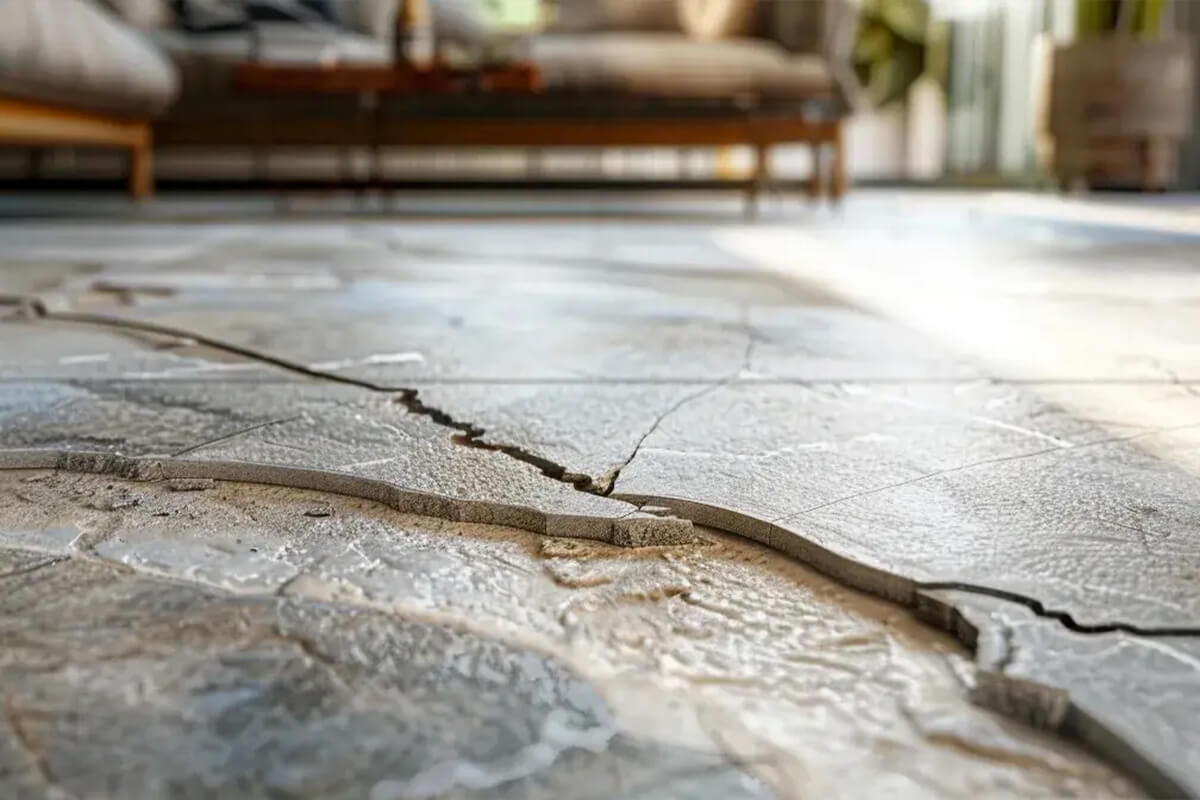
Long cracks across several tiles
Repeated cracks after repairs
Humps, dips, or sloping in the floor
Drywall cracks around doors and windows
Doors or windows that suddenly stick
This does not always mean you have a severe foundation problem, but it does mean the floor should be looked at more closely before replacing tile.
7. The Tile Was Installed Over an Uneven Surface
Tile needs a flat, clean, and properly prepared surface. If the substrate below was uneven or poorly prepared before installation, the tile may never have had the support it needed.
Even if the floor looked fine at first, weak spots can show up later as cracked tile, loose tile, or grout failure.
How to Tell If the Subfloor Is the Real Problem
A single cracked tile may be a surface-level issue. But when cracks keep returning, spread across a room, or come with hollow sounds and movement, the subfloor is often the real cause.
A few signs it may be more than just one damaged tile:
Multiple tiles cracking in one section
Tile that feels loose underfoot
Hollow sounds when tapped
Recurring cracks after replacement
Uneven areas in the floor
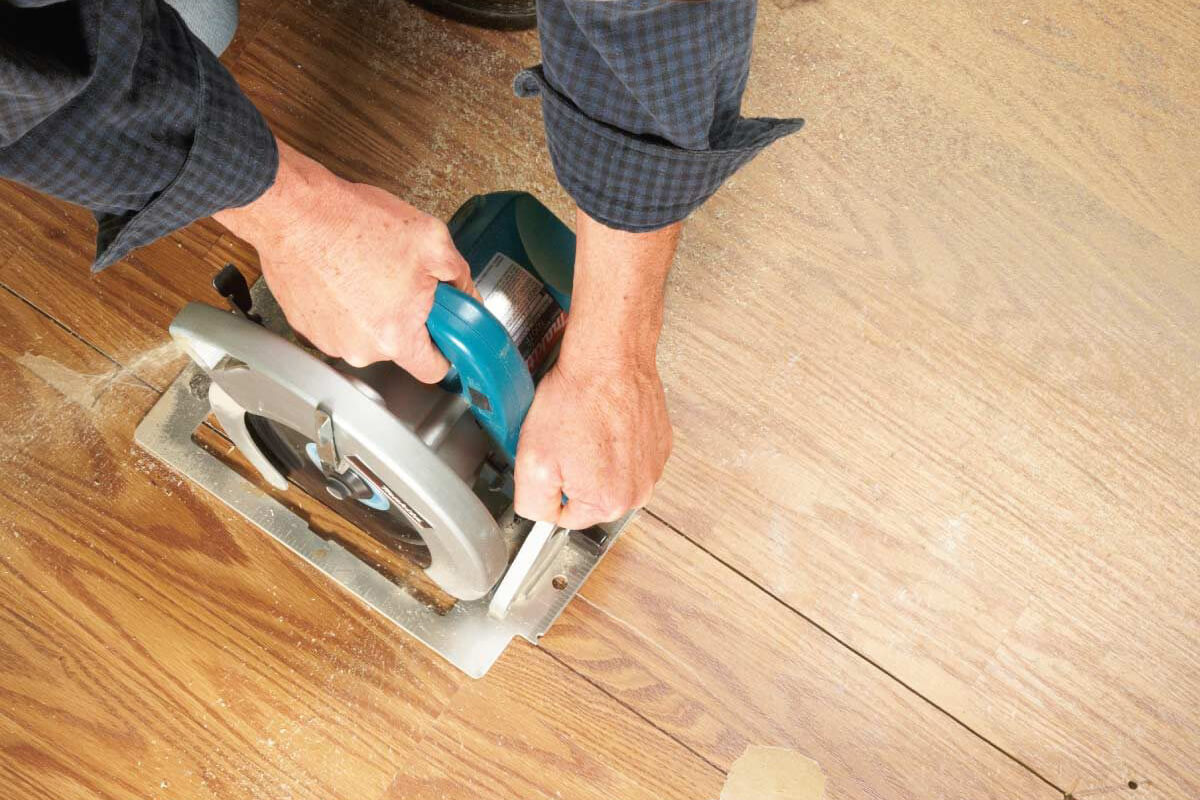
When that happens, replacing one or two tiles usually is not enough. The floor often needs to be opened up so the underlying condition can be inspected and corrected.
How to Fix a Cracking Tile Floor the Right Way
The best repair depends on what is actually causing the damage. If the problem is isolated impact damage, replacing the tile may solve it. If the issue is related to movement, moisture, poor prep, or subfloor failure, a longer-lasting repair may involve:
Replacing damaged subfloor materials
Reinforcing the floor structure
Installing the proper underlayment
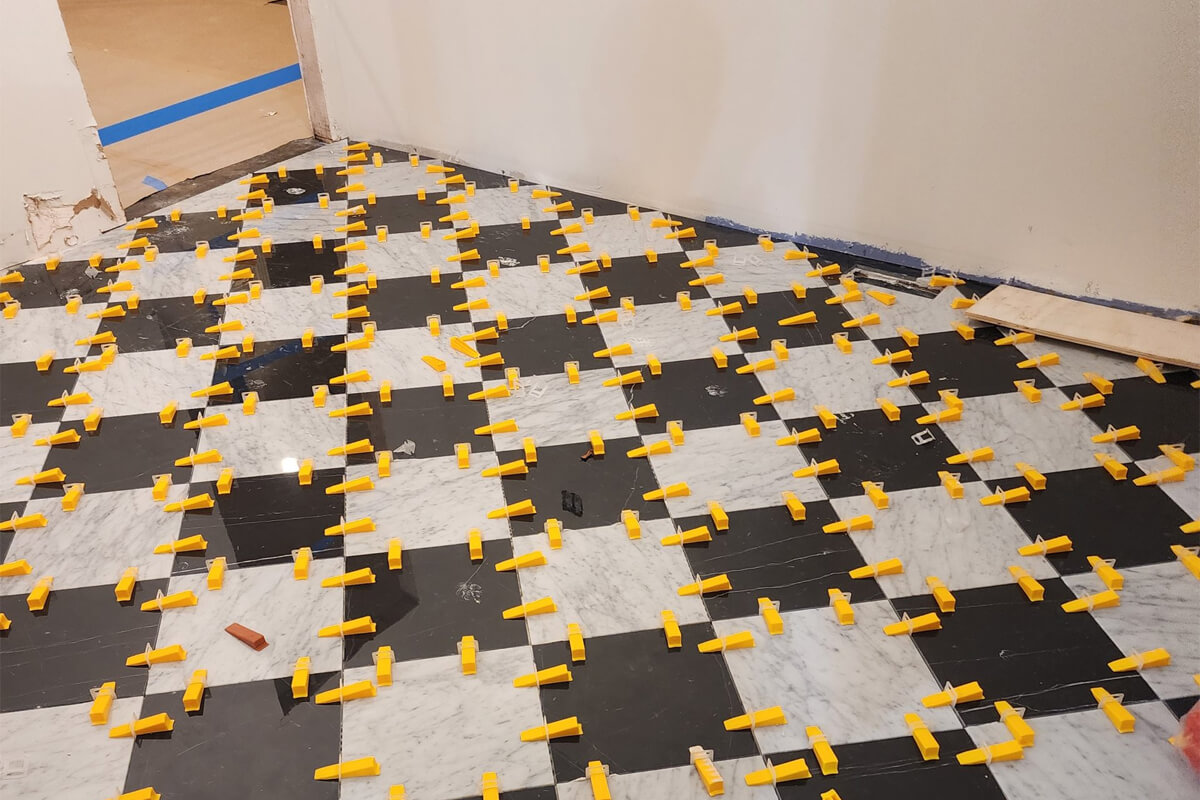
Reinstalling tile with correct mortar coverage
Adding movement joints where needed
The key is addressing the cause, not just the crack.
How to Prevent Tile Cracks in the Future
The best way to avoid cracked tile is to make sure the floor is properly built before tile is installed.
That means:
A solid, flat subfloor
The right underlayment system
Proper mortar coverage
Room for movement
Moisture issues handled before installation
Tile can last for decades, but only when the layers underneath it are just as reliable.
Get the Right Diagnosis Before the Damage Gets Worse
If your tile floor is cracking, the smartest next step is finding out why before the problem spreads. In many cases, cracked tile is not just a tile issue. It is a sign that something underneath the floor needs attention.
For homeowners in the St. Louis area and across the Midwest, working with experienced flooring professionals can make the difference between a temporary patch and a long-term solution. At Classic Flooring Solutions, we help identify whether cracked tile is caused by installation issues, moisture problems, subfloor movement, or larger structural concerns so you can move forward with confidence.