Floors take a beating. They’re walked on all day, exposed to spills, moved furniture, pets, sunlight, and cleaning products that aren’t always floor-friendly. Most costly repairs don’t start with a dramatic accident, they start with small, repeatable habits that wear the surface down until the damage becomes obvious (and expensive), so here’s how to prevent and fix common floor damage issues.
This guide breaks down the most common causes of floor damage (hardwood, laminate, vinyl, tile), how to prevent them, and what to do when damage already happened, so you can protect your floors and avoid premature replacement.
1. Moisture and Water Damage (The Fastest Way to Ruin Floors)
Why it happens:
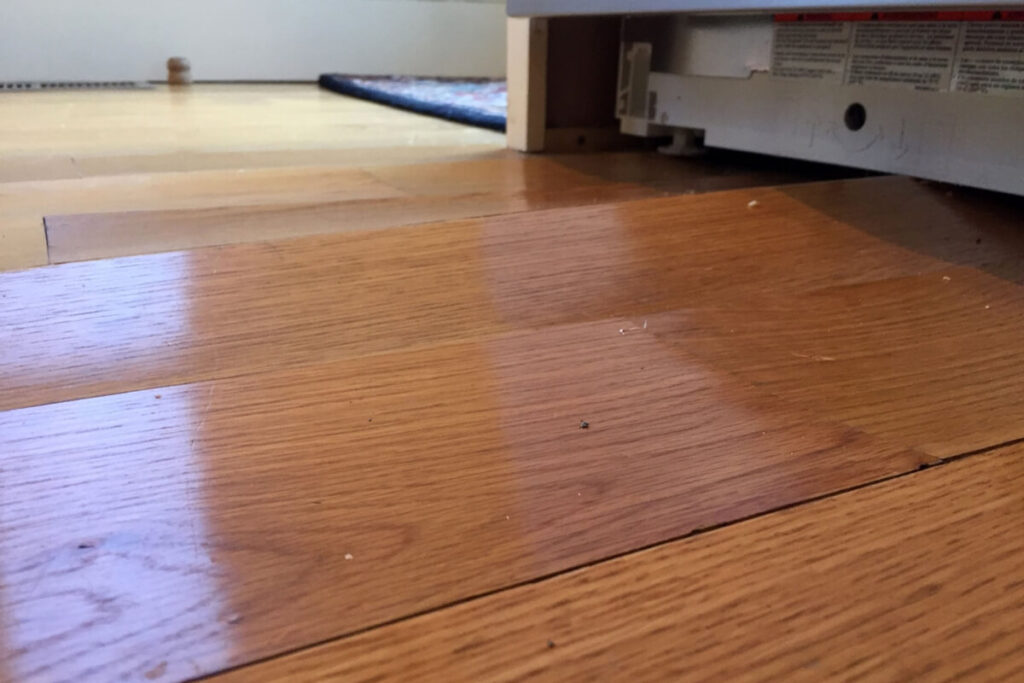
Water is one of the most harmful factors for flooring, especially hardwood and laminate. Damage usually starts with everyday situations: a dishwasher leak, wet entryway traffic, bathroom overflows, humidity that stays too high, or cleaning methods that leave too much moisture behind. Over time, moisture can cause warping, swelling, discoloration, mold growth, and even subfloor instability.
How to prevent it:
Prevention comes down to speed and protection. Wipe spills immediately, use waterproof mats near sinks, dishwashers, and exterior doors, and avoid soaking floors while mopping. Keeping indoor humidity around 35% to 55% helps reduce expansion and contraction that can worsen moisture-related issues.
How to fix it:
If water damage occurs, remove any standing water and dry the area quickly with fans or dehumidifiers. Minor staining may be improved through refinishing, but if boards are cupping, buckling, or the subfloor feels compromised, it’s best to get a professional evaluation, because surface drying alone may not solve trapped moisture below.
2. Scratches & Surface Wear
Why it happens:
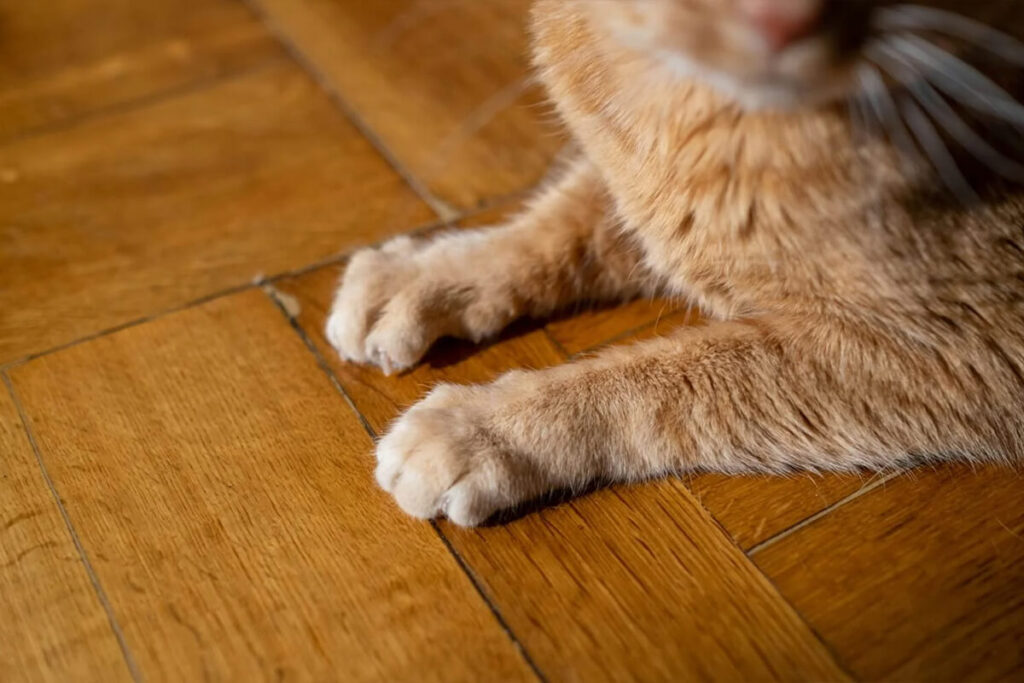
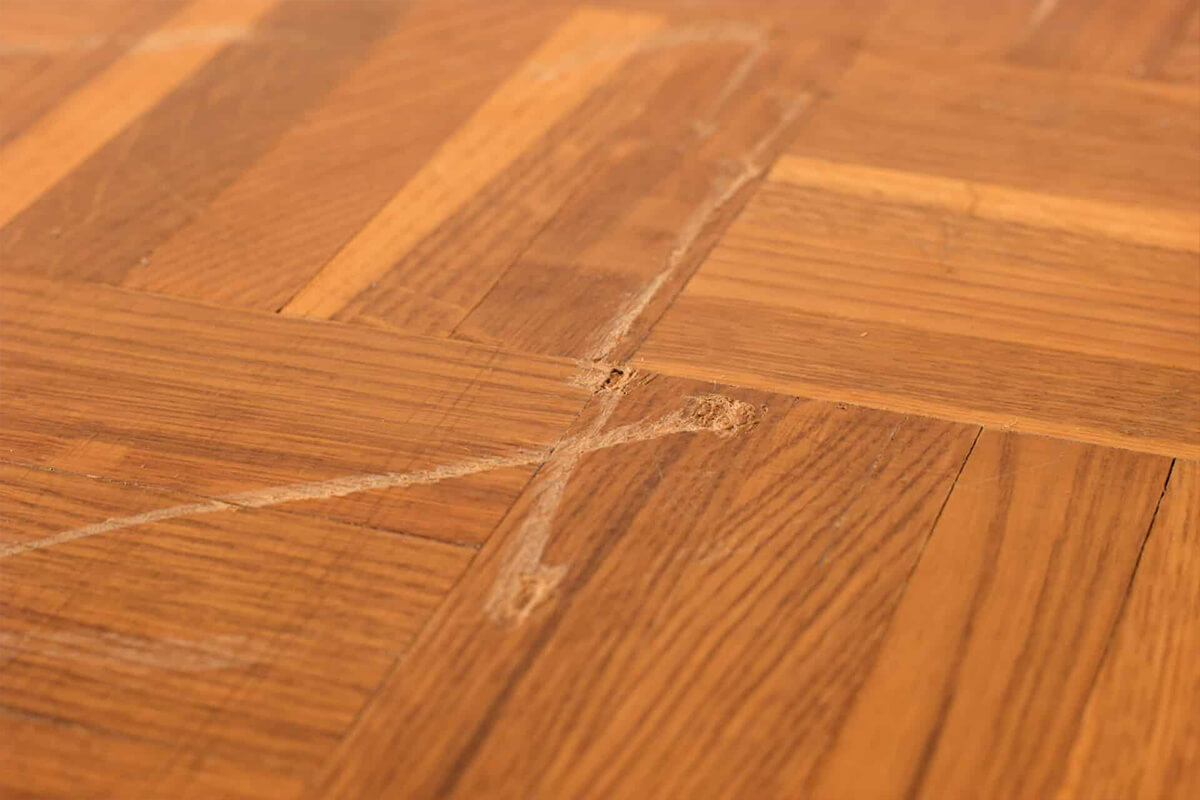
Most scratching is really “grit damage.” Dirt and debris get tracked in and grind into the finish with everyday walking. Add in dog nails, kids at play, heavy foot traffic, and furniture that gets dragged instead of lifted, and scratches and dullness start building up quickly, especially if shoes are worn indoors.
How to prevent it:
Focus on reducing friction and stopping grit at the door. Doormats at every exterior entry help capture debris before it spreads, while felt pads under chairs and furniture legs prevent tiny movements from carving into the finish. In hallways and high-traffic zones, runners and area rugs take the wear instead of the floor.
How to fix it:
Light scratches in hardwood can often be blended with a wood marker or scratch repair kit, but deeper scratches usually require sanding and refinishing either the affected area or the boards. With laminate and many LVP floors, scratched planks frequently need replacement because the surface layer can’t be sanded like wood. Tile doesn’t scratch easily, but if the glaze is damaged, replacing the tile is sometimes the cleanest fix.
Dents and dings typically come from concentrated weight like furniture legs pressing into softer floors or sudden impact, such as dropping heavy objects. Moving appliances without protection can also crush or scrape the surface, and high heels can leave marks on hardwood and laminate in the same way.
How to prevent it:
Prevention is mostly about spreading weight and reducing direct contact. Wider furniture feet, protective cups, or quality pads help distribute pressure, and lifting furniture instead of dragging it avoids both dents and gouges. When you do need to move heavy items, sliders are an easy safeguard. In dining rooms or home offices where chairs and movement are constant, protective rugs can prevent repeated micro-impact that slowly adds up.
How to fix it:
Minor dents in hardwood may be improved with fillers or spot refinishing depending on severity and finish type. When dents are deeper or widespread, the most seamless repair often involves replacing damaged boards and refinishing to blend everything evenly.
4. Squeaky Floors (noise that signals movement)
Why it happens:
Squeaks usually happen when materials move. Seasonal humidity changes can cause wood to expand and contract, leading to rubbing between boards or loosened fasteners. In other cases, the subfloor shifts slightly, or the underlayment wasn’t sufficient for the floor type, making movement more noticeable.
How to prevent it:
Keeping humidity stable again, around 35–55%, reduces the expansion/contraction cycle that creates movement. For new installs, choosing quality underlayment and making sure the subfloor is properly secured during installation helps prevent squeaks before they ever start.
How to fix it:
A temporary improvement can come from reducing friction between boards using graphite or talc, but this won’t solve structural movement. The most reliable fix is professional fastening, shimming, or subfloor repair from below (when accessible), which addresses the cause instead of masking the sound.
5. Improper Cleaning (damage caused by “too much effort”)
Biggest mistakes:
Many floors get damaged by aggressive cleaning: abrasive scrubbers that scuff finishes, harsh chemicals like bleach or ammonia that degrade protective coatings, steam mops used on floors that can’t handle heat/moisture, and routine mopping that uses too much water.
Better habits:
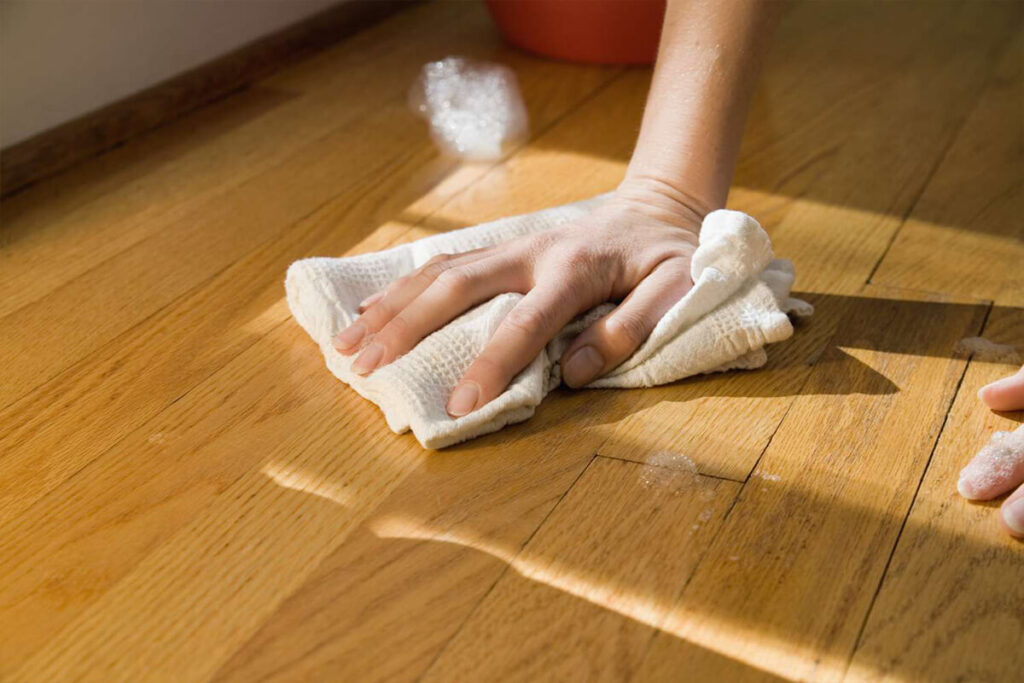
A safer routine is simpler. Sweep or vacuum often to remove grit before it scratches, use manufacturer-approved cleaners made for your specific floor type, and keep mopping damp rather than wet. When spills happen, clean them quickly and dry the area thoroughly so moisture doesn’t sit in seams or edges.
How to fix it:
If the floor looks dull, streaky, or worn, it may need a professional deep clean, polish, or refinish depending on the material, especially for hardwood, where refinishing can restore both appearance and protection.
6. Sunlight & UV Fading
Why it happens:
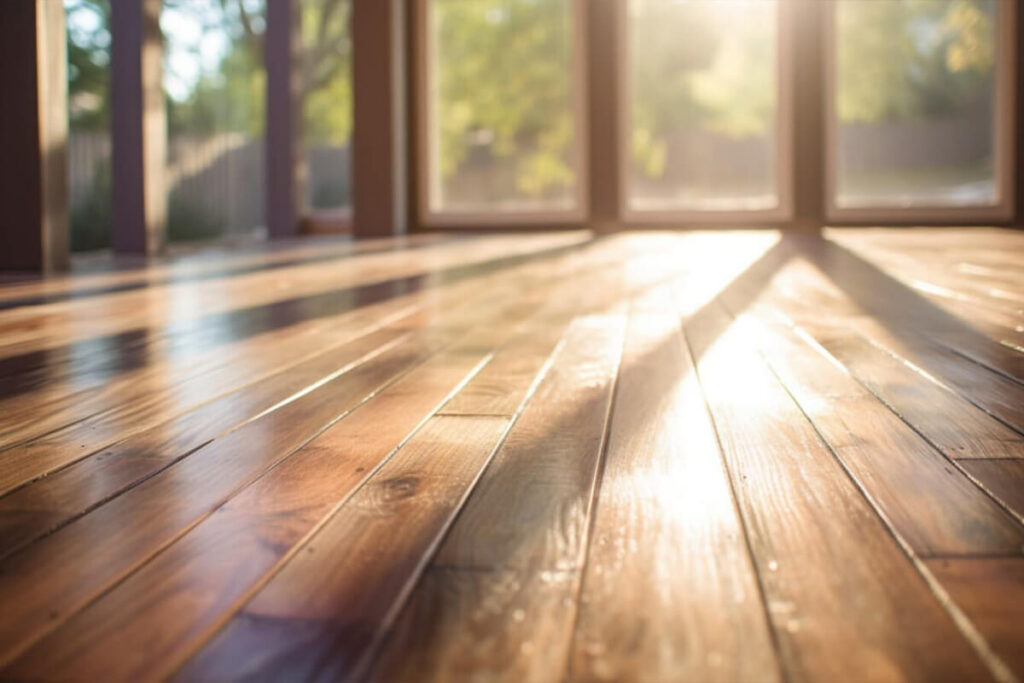
Direct sunlight breaks down finishes and can gradually discolor hardwood and vinyl, especially in rooms with large windows. Over time, this creates uneven tones, often obvious when rugs or furniture are moved.
How to prevent it:
Curtains, shades, or UV-resistant window film can reduce exposure, and rotating rugs or shifting furniture occasionally helps keep fading more even. If you’re selecting new materials, UV-resistant finishes or products with built-in UV protection can also help in sun-heavy rooms.
How to fix it:
Hardwood may need refinishing to blend color shifts and restore a consistent look. Vinyl discoloration is harder to reverse; in many cases, plank replacement is the most effective option when fading is significant.
7. Poor Installation or Low-Quality Materials
Red flags:
Installation or material issues often show up as gaps, lifting edges, uneven surfaces, premature warping/buckling, cracked tiles or hollow spots, and sloppy transitions between rooms. These problems can keep returning even if you repair the surface.
How to prevent it:
The best prevention is choosing the right product for the space, investing in quality materials, and hiring experienced installers who handle subfloor prep correctly. Moisture barriers, leveling, and proper acclimation matter more than people expect and they directly impact longevity.
How to fix it:
If the root cause is installation-related, surface repairs usually won’t last. Long-term results often require correcting the underlying subfloor or reinstalling affected sections properly so the problem doesn’t repeat.
Deep scratches, cracks, discoloration, soft spots, or creaking that wasn’t there before often signal repair is needed. High-traffic finish loss may indicate it’s time to refinish.
Remove excess water immediately, dry the area with fans or dehumidifiers, and assess the extent of warping or staining. If boards are cupping/buckling or the subfloor may be wet, consult a professional.
Yes. Markers, fillers, and scratch repair kits can help with small scratches. Deeper gouges typically require sanding/refinishing or plank replacement.
Tile and luxury vinyl plank (LVP) are highly durable and water-resistant. Hardwood lasts a long time too, but benefits from regular maintenance and refinishing.
When to DIY vs. When to Call a Pro
Some flooring issues are safe to tackle on your own, especially when the damage is minor and limited to the surface. Small scuffs, light scratches, and isolated dull spots can often be improved with the right cleaning routine.
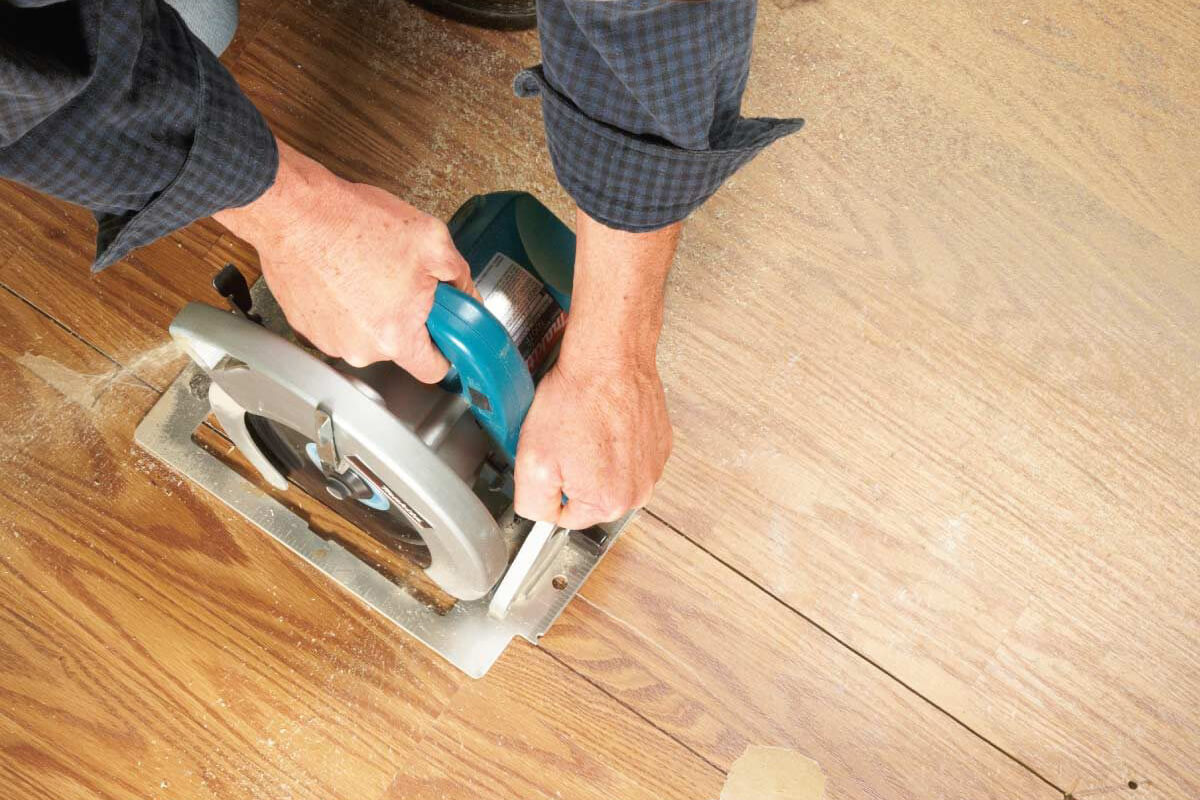
That said, it’s smart to call a professional when the damage affects the structure of the floor or keeps coming back. If you’re seeing cupping, warping, buckling, soft spots, recurring squeaks, deep gouges, widespread staining, or signs that moisture reached the subfloor, an expert can identify the root cause and prevent a small problem from turning into a full replacement.
If you’re not sure whether your floor needs a simple touch-up or a professional repair, we can help. Reach out for an inspection or estimate, and we’ll recommend the most cost-effective path, whether that’s refinishing, targeted board replacement, or a deeper repair to solve the problem at the source.