Can You Install New Flooring Over Existing Flooring?
If you’re planning a flooring update, you may be wondering whether it’s possible to install new flooring over what’s already there. It’s a common question, especially for homeowners who want to reduce mess, save time, and avoid the cost of full demolition.
In some cases, yes, new flooring can be installed over existing flooring. But the right answer depends on the condition of your current floor, the type of new material you want to install, and whether the surface underneath is stable enough to support it properly.
We always recommend starting with a professional assessment so you can move forward with confidence and avoid problems later.
When Installing Over Existing Flooring May Be Possible
Installing over an existing floor can work well when the current surface is:
Clean and dry
Flat and level
Firmly attached
Free of major damage or moisture issues
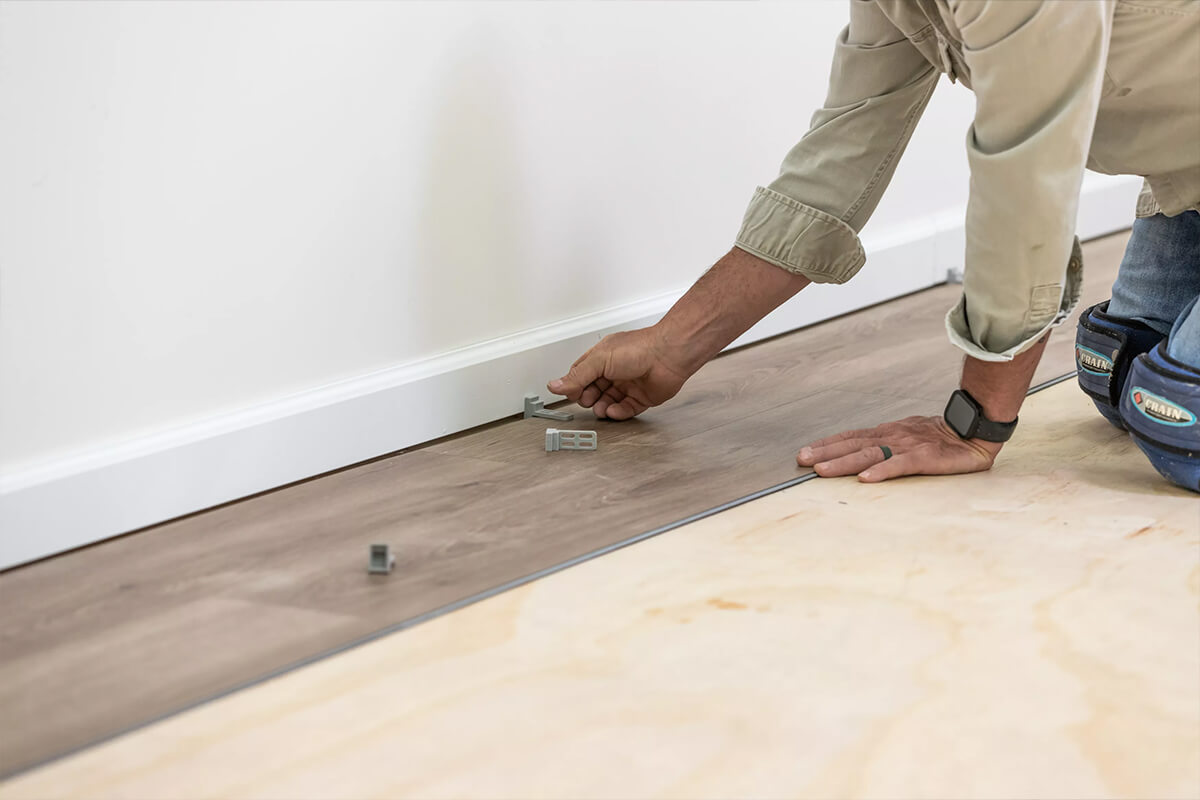
If those conditions are met, certain flooring products may be installed over the top without removing the old material first. This is often most successful with floating floor systems, such as laminate or luxury vinyl plank, because those products lock together rather than being nailed directly into the existing floor.
This approach can reduce disruption in your home and speed up the installation process. In the right situation, it can be a practical solution.
When It’s Better to Remove the Old Floor
Even though overlaying can work in some homes, it is not always the best choice.
If the existing floor is loose, uneven, soft underfoot, water-damaged, or showing signs of wear that affect stability, installing over it can lead to future issues. Squeaks, movement, visible imperfections, and premature failure are all possible when the surface below is not in good condition.
In many cases, removing the old floor gives you a better long-term result because it allows the subfloor to be inspected and prepared properly before the new material is installed.
Flooring Types That May Work Over Existing Floors
Luxury Vinyl Plank
Luxury vinyl plank is one of the most flexible options for installing over an existing floor. It can often be installed over tile, vinyl, or other hard surfaces if the floor is smooth, solid, and dry. Because it performs well in many areas of the home, it is often a strong option for homeowners looking for durability and a more efficient installation process.
Laminate Flooring
Laminate can also work well over existing hard flooring when the base is flat and secure. Like luxury vinyl, it is commonly installed as a floating floor. However, laminate should not be installed over soft or unstable surfaces, since movement underneath can affect performance over time.
Engineered Wood
Engineered wood may be possible in some situations, but it depends on the product and the condition of the floor below. Because wood products are less forgiving than vinyl, the surface preparation needs to be done carefully. Our team can help determine whether overlaying is a good fit or whether removal is the better option.
Floors That Usually Should Not Be Covered
Carpet
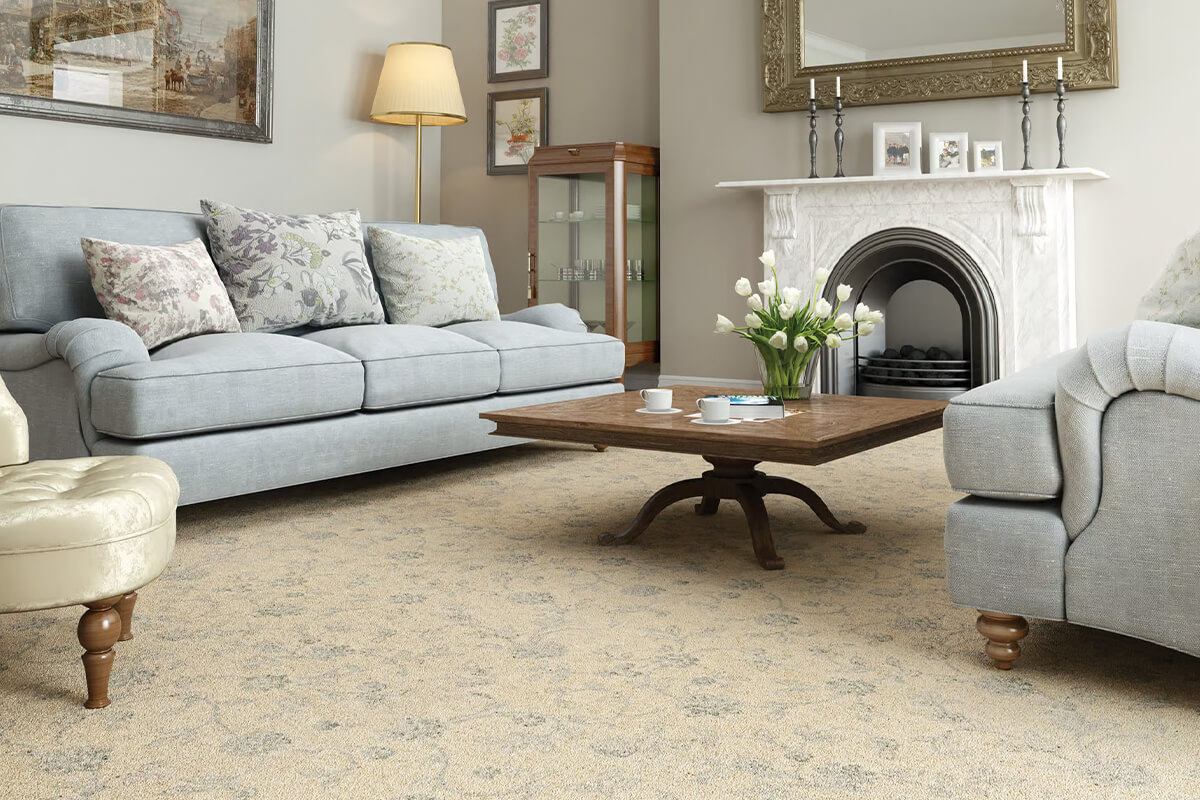
Carpet should generally be removed before new flooring is installed. It is too soft and compressible to create a stable base, which can lead to movement and uneven wear.
Multiple Layers
If your home already has several layers of flooring, adding one more can create height problems and make it harder to get a clean, lasting result.
Important Things to Consider
Floor Height
A new floor adds height. That can affect door clearance, appliances, trim, and transitions between rooms. In kitchens, this is especially important around dishwashers, refrigerators, and cabinets.
Subfloor Condition
Even if the top layer looks fine, the subfloor underneath may have moisture issues, uneven spots, or structural concerns that need attention. This is one reason professional evaluation matters.
Manufacturer Requirements
Some flooring manufacturers have specific installation guidelines that must be followed to maintain warranty coverage. Installing over an unsuitable surface can sometimes void that protection.
Proper Preparation Makes the Difference
When installing over an existing floor is possible, preparation is key. The surface needs to be cleaned thoroughly, checked for level, and evaluated for stability. In some cases, minor repairs or underlayment may be needed before the new floor can be installed correctly.
At Classic Flooring Solutions, we take the time to assess the full picture before recommending the best approach. That means looking at the existing material, the subfloor, the room itself, and the flooring product you want to install.
The Best Way to Know What’s Right for Your Home
Every home is different. In some spaces, installing new flooring over the old surface is a smart and efficient option. In others, a full removal is the better investment for long-term performance and appearance.
The best way to know for sure is to have a flooring professional inspect the space and guide you toward the right solution.
If you’re considering new floors and want expert advice you can trust, Classic Flooring Solutions is here to help. We work with homeowners throughout the St. Louis area to recommend flooring solutions that fit their space, style, and long-term needs.
Schedule your free estimate today and let our team help you choose the right path for a beautiful, lasting floor.