BLOG POST
Where to Install Hardwood, LVP, Tile, & Laminate in Your Home
Walk into any flooring showroom and ask for “the best floor” and you’ll get the same answer every time: it depends on the room. Hardwood, LVP, tile, and laminate all do different jobs well and each one also has a room where it’s the wrong call, no matter how good it looks on the sample board. Here we’ll guide you on where to install hardwood, LVP, tile, and laminate in the rooms of your house.
This guide breaks down where each material earns its place, where to avoid it, and why, so you’re not guessing room by room.
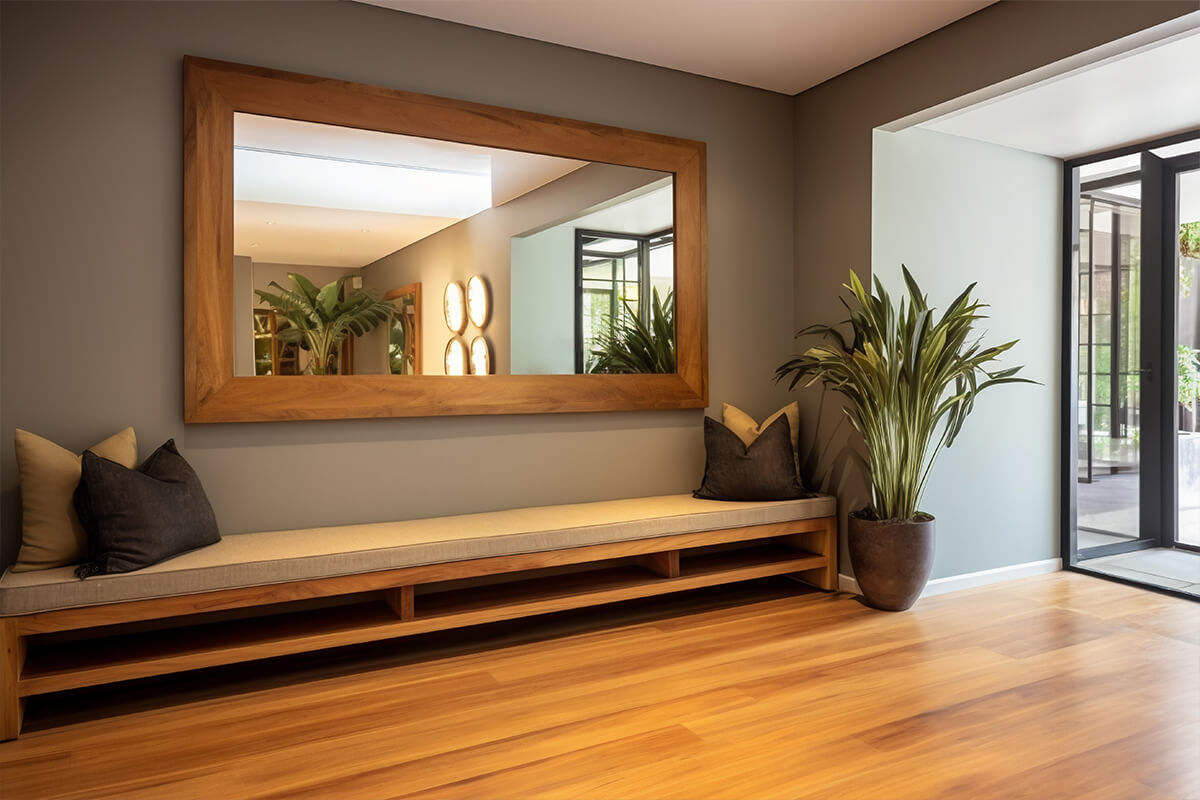
Should I get hardwood, vinyl, or tile in my kitchen?
Kitchens see water, dropped dishes, and daily foot traffic, so the flooring has to survive spills, not just look good next to your cabinets.
LVP (luxury vinyl plank)
This is the safest default here. It’s 100% waterproof at the plank level, so a dishwasher leak or a pot of water hitting the floor won’t cause swelling or warping. It also has enough give underfoot to be comfortable for long stretches of cooking.
Tile
Is the other legitimate kitchen choice, especially if you want a look LVP can’t fully replicate like large-format porcelain, natural stone, or a patterned floor. It’s essentially indestructible and fully waterproof once grout is sealed. The trade-off is comfort. Tile is hard and cold underfoot, and dropped glassware breaks more often on it than on a softer surface.
Hardwood
The riskiest of the three for a kitchen. It can be done, many homeowners love the look, but it needs consistent wiping of spills and isn’t a good fit for a household that isn’t diligent about that. If you want the hardwood look without the risk, engineered hardwood handles humidity better than solid, but it’s still not waterproof.
Skip laminate here
Even water-resistant laminate is water-resistant at the surface, not at the core. Water that reaches the seams swells the fiberboard underneath, and that damage doesn’t sand out the way hardwood does.
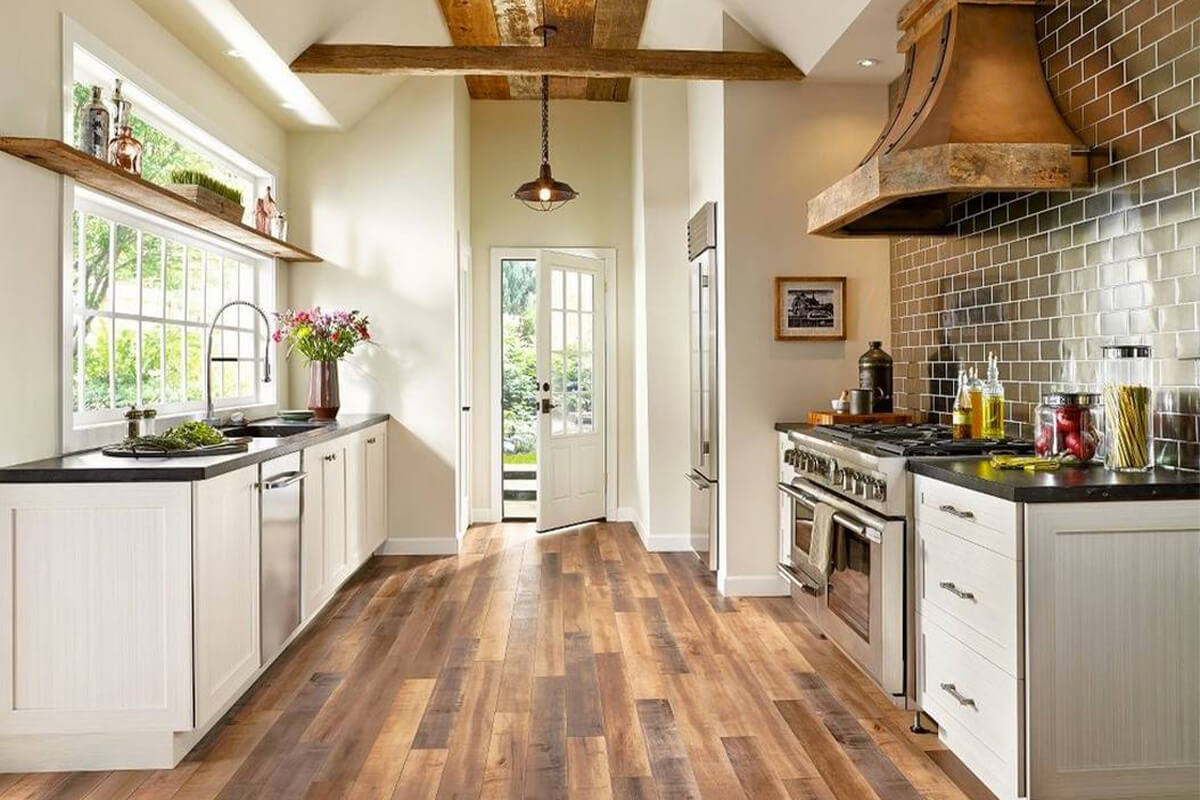
How do I choose between laminate, vinyl, and hardwood in living rooms and bedrooms?
These are low-moisture, everyday-living spaces, which opens up all four materials, so the decision comes down to budget, comfort, and how long you plan to stay in the home.
Hardwood
Is the strongest long-term investment. It’s the only one of the four that’s genuinely renewable. Solid hardwood can be sanded and refinished multiple times over decades, which means a scratched, dated floor can become a new floor again without replacement. It’s also still the material buyers and listing agents treat as a premium feature, not a neutral one.
LVP
Is the practical, worry-free choice, especially in a home with kids or pets. It resists scratches and dents well, requires almost no maintenance, and if one plank gets damaged in a floating installation, it can usually be replaced individually instead of redoing the room.
Laminate
Is the budget-conscious pick, and it earns that role honestly. It has the hardest, most scratch-resistant surface of the three in a dry room, at the lowest price point. Bedrooms, home offices, and upper-floor living spaces are laminate’s natural territory.
Where each one falls short
Hardwood costs the most upfront and asks for stable indoor humidity to perform well. LVP can’t be refinished when it wears out, it’s replaced, not restored. Laminate can’t be refinished either, and it’s the most neutral-to-negative of the three at resale.
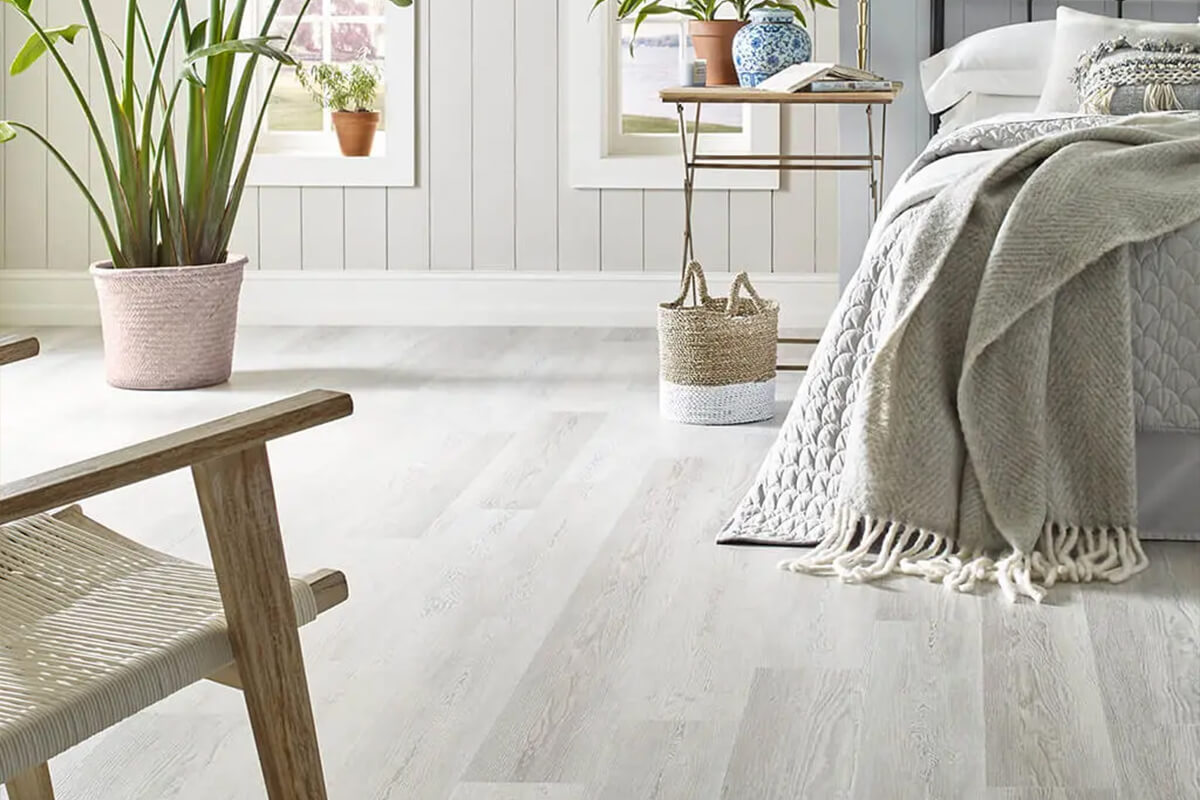
What's the difference between LVP and laminate flooring?
This is the question we hear most often, because the two look nearly identical in photos and even in a showroom from a few feet away. The difference is in what’s underneath the printed wood image.
- LVP is fully synthetic all the way through. A waterproof PVC or stone-composite core under the printed layer. Water simply can’t damage the plank itself.
- Laminate has a wood-based fiberboard (HDF) core under a hard melamine wear layer. The surface resists scratches exceptionally well, but the core is not waterproof, it swells if water reaches it, particularly at the seams.
A simple way to remember it is the following. Laminate wins on scratch resistance in dry rooms; LVP wins anywhere moisture is a real possibility. If you’re deciding between the two for a specific room, that’s usually the only question that matters.
Let's talk about your floor
Contact our team and we’ll walk your space, assess your subfloor, and give you a detailed estimate with options, no obligation.
Where tile belongs in your home
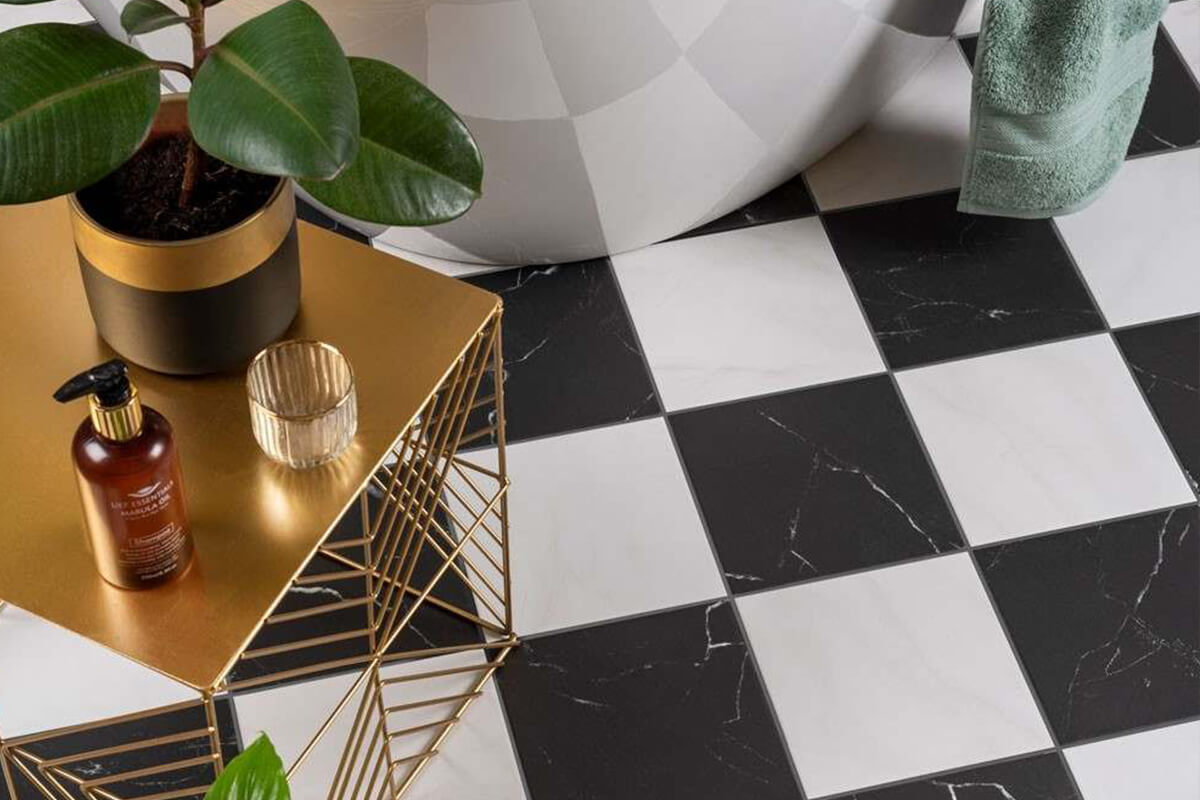
Tile’s advantage covers a lot. It’s waterproof, essentially indestructible, and unaffected by humidity, which makes it the right choice for bathrooms, entryways, and mudrooms where moisture and grit come in from outside. It’s also the longest-lasting material on this list, often outliving the home’s other finishes entirely.
Its limitation is comfort, not durability. Tile is hard and cold underfoot, which is exactly why it doesn’t belong in living rooms, bedrooms, or anywhere people stand for long periods without a rug. Save it for the rooms where its waterproofing matters more than how it feels to stand on.
What flooring actually works in a basement?
Basements combine two problems at once. Below-grade moisture and, in many homes, a concrete slab, and that combination rules out most materials on this list.
Solid hardwood should not go in a basement, full stop; it will absorb ambient moisture and cup regardless of how careful you are.
Standard laminate is a poor fit for the same reason. Engineered hardwood can work with proper moisture testing and mitigation, but it’s the exception, not the easy answer.
Rigid-core LVP is the practical choice for basements. It’s waterproof, tolerant of the minor moisture vapor that comes through a slab, and works with the right underlayment. Tile is the other genuinely safe option if you want something harder-wearing than LVP and don’t mind the cold surface.
How to decide which flooring goes in which room?
Ask where water could reach the floor, not just where it usually does. A kitchen usually stays dry, but a slow dishwasher leak doesn’t announce itself until the floor is already damaged.
Rooms with any real moisture risk like kitchens, bathrooms, basements, entryways, should default to LVP or tile.
Rooms that stay reliably dry like bedrooms, living rooms, home offices, are open to hardwood or laminate, and the choice there comes down to budget and how long you plan to own the home.
How does St. Louis's climate affect your flooring choice?
St. Louis adds a few local wrinkles worth planning around, especially in the area’s older housing stock and humid summers.
Humidity swings matter more here than in drier climates. St. Louis summers run hot and humid, and that seasonal swing is exactly what causes solid hardwood to expand and contract over time. If you love the look of real wood but want fewer humidity headaches, engineered hardwood is the better-suited choice for most St. Louis homes, its layered construction resists the expansion and contraction that solid wood can’t avoid.
Basements are common and so is the moisture that comes with them. Many St. Louis homes, especially in older neighborhoods, have finished or semi-finished basements that see seasonal dampness. That’s another point in favor of rigid-core LVP for below-grade spaces here specifically, rather than a one-size-fits-all answer.
Older homes bring uneven subfloors. A lot of St. Louis housing stock predates modern subfloor standards, and floating floors like LVP and laminate are more forgiving of minor subfloor imperfections than nailed-down solid hardwood, which can save both cost and headaches during installation.
FAQS: What type of flooring you should choose?
Should I get hardwood, vinyl, or tile in my kitchen?
LVP or tile are the safer defaults because they’re fully waterproof. Hardwood can work if spills get wiped up promptly, but it’s the highest-risk option of the three for a room that sees daily water exposure.
How do I choose between laminate, vinyl, and hardwood?
Start with moisture risk, then budget. Laminate is best in dry rooms on a tight budget, LVP is the low-maintenance choice for busy households, and hardwood is the long-term investment for homeowners who want a refinishable, resale-friendly floor.
What's the difference between LVP and laminate flooring?
LVP has a waterproof synthetic core, so it can’t be damaged by water. Laminate has a wood-based fiberboard core under a hard wear layer, so it resists scratches extremely well but swells if water reaches the seams.
What flooring is safe to install in a basement?
Rigid-core LVP is the most reliable choice for basements because it tolerates moisture from a concrete slab. Tile is the other safe option. Solid hardwood and standard laminate should be avoided below grade.
Does hardwood or LVP add more home value?
Hardwood is still the material buyers and listing agents treat as a premium feature. Quality LVP has become widely accepted and no longer hurts resale the way older vinyl products did, but it isn’t viewed as a premium upgrade the way hardwood is.
Can I use different flooring types in different rooms of the same house?
Yes, and most homes benefit from it. Waterproof materials in kitchens, bathrooms, and basements, with hardwood or laminate in dry living spaces, is a more practical approach than choosing one material for the whole house.
Ready to Talk About Your Floor?