BLOG POST
How Much Does a Herringbone Floor Cost in St. Louis?
A herringbone floor costs more than a standard straight-lay hardwood floor, and most of that difference comes from labor, not the wood itself. Every plank is cut, angled and fitted by hand to keep the zigzag tight and even. For most homes, the pattern adds roughly 20 to 40 percent to the cost of the same wood laid in straight rows. In this guide you’ll get an idea on how much does a herringbone floor cost in St. Louis.
The exact number for your home depends on the room, the wood you choose and what’s under the floor you have now. Know what drives the price, when herringbone is worth it, when it isn’t, and what St. Louis homeowners should know before getting a quote.
Why homeowners love herringbone floors
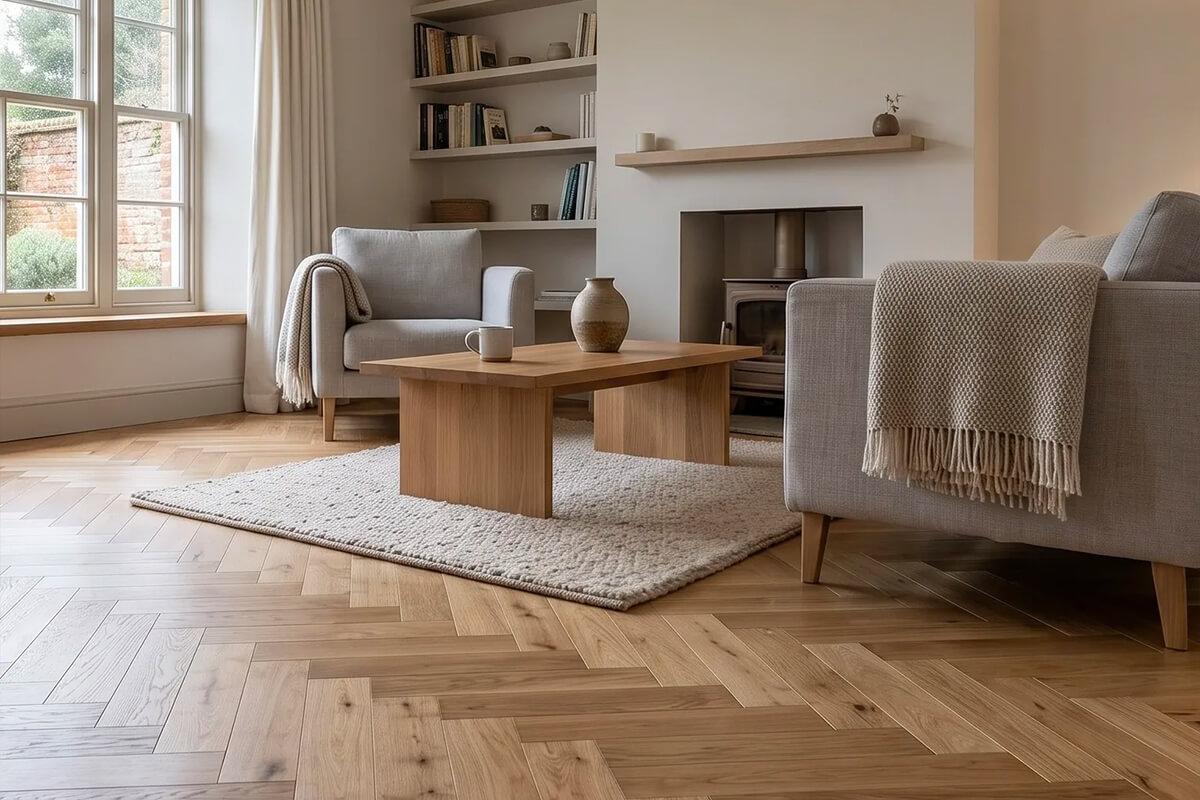
Herringbone has been laid in fine homes for centuries, and it still turns an ordinary room into the one people notice first. Here’s what makes it worth considering.
- It looks custom. The zigzag reads as craftsmanship in a way straight boards can’t, so the floor becomes part of the room’s design rather than a backdrop.
- It adds movement. Laid down a hallway or across a narrow room, the pattern draws the eye forward and can make the space feel wider.
- It fits old and new homes. Herringbone feels right at home in St. Louis’s historic housing, from city rowhouses to older homes in the inner suburbs, and it works just as well in a modern open floor plan.
- It hides everyday wear. Because the grain runs in two directions, small scratches and dust are harder to spot than on long, uniform boards.
- It lasts. Solid hardwood herringbone can be sanded and refinished several times, so a well-installed floor can stay beautiful for decades.
- It stands out to buyers. A feature floor gives listing photos and showings something memorable.
When herringbone is worth the investment
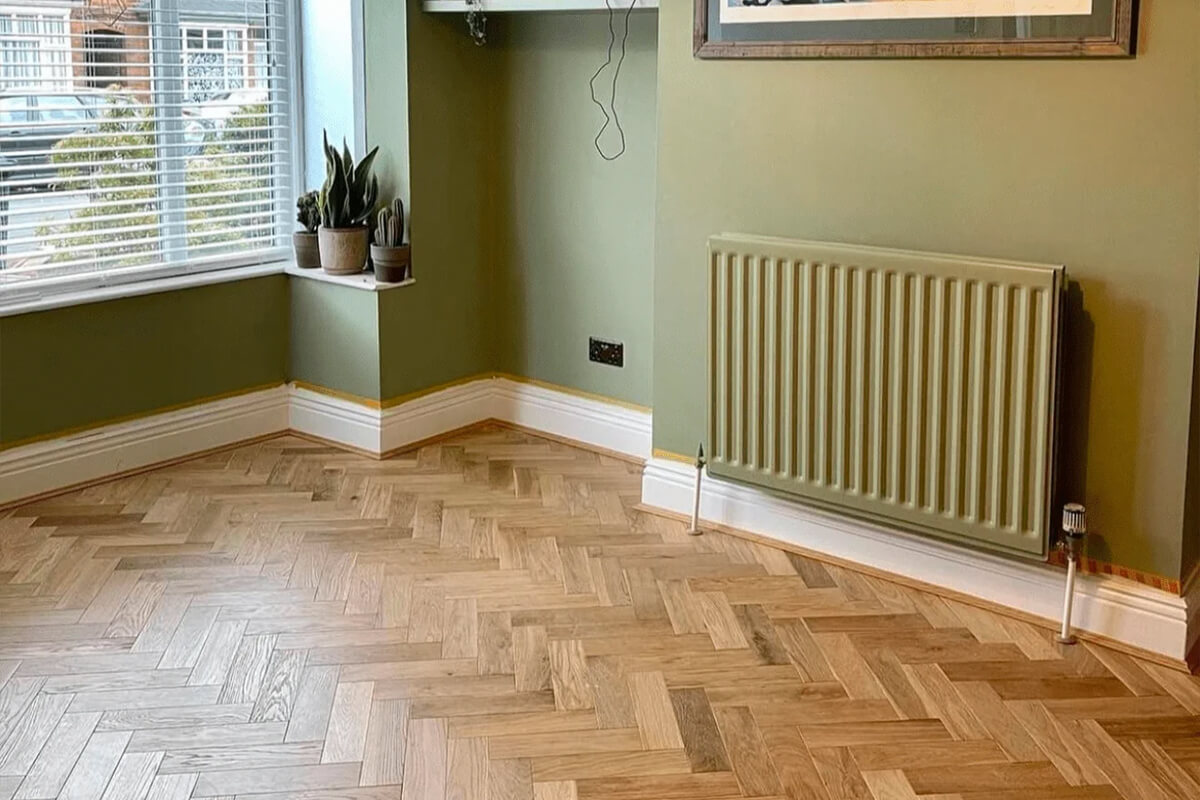
Herringbone pays off most in rooms where the floor is on full display and you plan to enjoy it for years.
- Entryways and foyers. It’s the first thing guests see, and the small square footage keeps the total cost manageable.
- Dining rooms and living rooms. These rooms usually have open floor area, so the pattern can become the focal point.
- Long hallways. The pattern turns a plain pass-through into a feature and makes it feel less like a corridor.
- Historic restorations. If your home had original parquet that’s too damaged to save, new herringbone keeps the character of the house intact.
- Long-term homes. If you plan to stay, you’ll get years of enjoyment from the upgrade, not just a bump at resale.
- Projects already in progress. If the old floor is coming up and the subfloor is being repaired anyway, the extra cost of herringbone is a smaller share of the overall job.
When herringbone isn't necessary
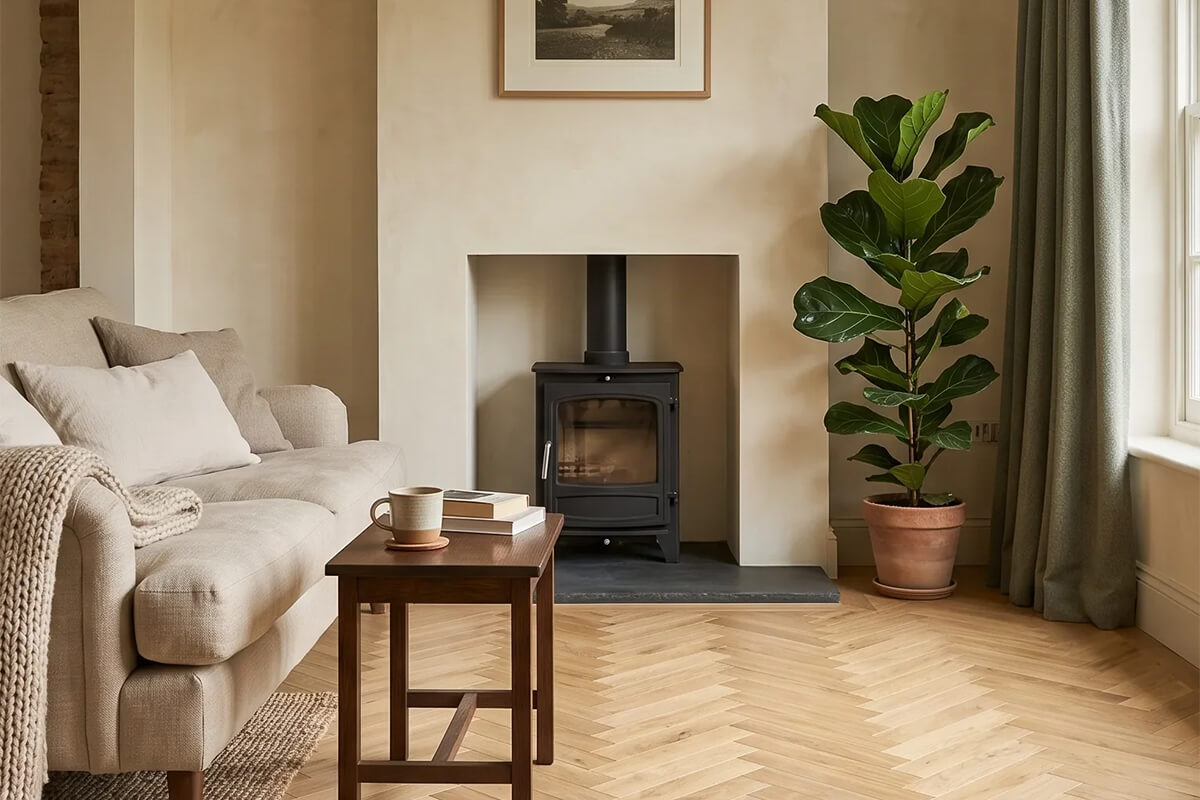
Herringbone isn’t the right call for every room, and we’d rather tell you that upfront than sell you a pattern you won’t see.
- Rooms covered by furniture or rugs. In a bedroom with a large bed or a living room with a big area rug, you’re paying for a pattern that stays hidden
- Basements and damp areas. Solid hardwood isn’t recommended below grade. Engineered wood can work over concrete with the right moisture prep, but it’s worth discussing options first.
- Rooms with lots of angles and cutouts. Closets, bump-outs and odd corners mean more cutting and more waste. A straight-lay floor with a herringbone border or inlay can give a similar feel for less.
- Whole-house projects on a tight budget. Put herringbone in one statement room, like the entry or dining room, and run straight boards everywhere else.
- Homes you’re selling soon. If the rest of the house doesn’t match that level of finish, a simpler floor may give you a better return.
Let's talk about your floor
Contact our team and we’ll walk your space, assess your subfloor, and give you a detailed estimate with options, no obligation.

What affects the cost of a herringbone floor
A fair price depends on seeing the space, but these are the factors that move the number most.
- Labor and layout. This is the biggest driver. The installer has to find the right starting line, keep the pattern square across the room and cut pieces at every wall and doorway. It simply takes longer than straight-lay.
- Wood species and grade. White oak is the most popular choice for herringbone. Red oak usually costs less, while walnut and other premium species cost more. Cleaner, select grades also cost more than character grades with knots and color variation.
- Solid or engineered wood. Engineered wood is more stable over concrete and radiant heat. Solid wood can be refinished more times over its life.
- Plank size. Smaller blocks mean more pieces to place, which means more labor.
- Extra material. Herringbone produces more off-cuts, so plan for about 10 to 15 percent more wood than the room’s square footage.
- Subfloor prep. Herringbone shows every dip and hump. Many older St. Louis homes need leveling, repairs or new plywood before the pattern can go down.
- Removing the old floor. Tearing out carpet, tile or old hardwood adds time and disposal costs.
- Borders, medallions and transitions. A border framing the herringbone adds labor but gives the floor a finished, custom look.
- Site-finished or prefinished. Sanding and finishing on site takes more steps but gives the smoothest, most seamless surface.
Tips for planning your herringbone floor
A little planning upfront makes the difference between a floor that looks good and one that looks intentional.
- Decide the direction first. Run the pattern along the length of a hallway or toward the room’s main view so the zigzag leads the eye where you want it.
- Center it on a focal point. Lining the pattern up with the front door, a fireplace or the middle of the dining table makes the layout look planned rather than random.
- Let the wood acclimate. St. Louis swings from humid summers to dry, heated winters. Wood needs time to adjust to your home before it goes down, and a steady indoor humidity year-round helps prevent gaps.
- See samples in your own light. Stain colors look different at noon than they do at night, and different again next to your cabinets and furniture.
- Plan your transitions. Where herringbone meets straight boards or tile, a border or threshold piece makes the change look deliberate.
- Hire someone who’s done it before. Ask for photos of past herringbone work and ask how they handle layout and subfloor prep.
- Protect it once it’s in. Use felt pads under furniture, rugs at entry doors and plan for a fresh coat of finish when the surface starts to dull.
If you’re looking for someone who installs herringbone floors in St. Louis, Classic Flooring Solutions does this kind of custom pattern work. We install herringbone and chevron floors, along with borders, medallions and stairs, and we’ll look at your space, check the subfloor and walk you through your options before giving you a quote.
See our Custom and Specialty Work services to learn more, or contact us to schedule a visit.
FAQS: Herringbone Floors
How much more does herringbone cost than a regular hardwood floor?
Most homeowners can expect herringbone to cost roughly 20 to 40 percent more than the same wood laid straight. The extra labor and added material make up most of that difference.
What's the difference between herringbone and chevron flooring?
Herringbone uses rectangular planks that meet in a staggered, broken zigzag. Chevron planks are cut at an angle on the ends, so they meet in a clean, continuous V. Chevron often costs a bit more in material because of those angled cuts.
How long does a herringbone installation take?
It depends on the size of the space and how much prep it needs. A pattern floor takes noticeably longer than straight-lay, and site-finished floors need extra days for sanding and finishing.
Can herringbone go over concrete or in a basement?
Engineered herringbone can go over concrete with proper moisture protection. Solid hardwood isn’t recommended below grade.
Can I put herringbone in just one room?
Yes, and it’s one of the most popular ways to use it. A border or threshold where it meets the next room keeps the transition clean.
Can a herringbone floor be refinished?
Yes. Solid wood and engineered wood with a thick enough top layer can both be sanded and refinished. Because the grain runs in two directions, it’s a job for an experienced refinisher.
Who installs herringbone floors near me in St. Louis?
Classic Flooring Solutions installs herringbone and chevron wood floors throughout the St. Louis area. Contact us to talk through your project and schedule a visit.
Ready to Talk About Your Floor?